
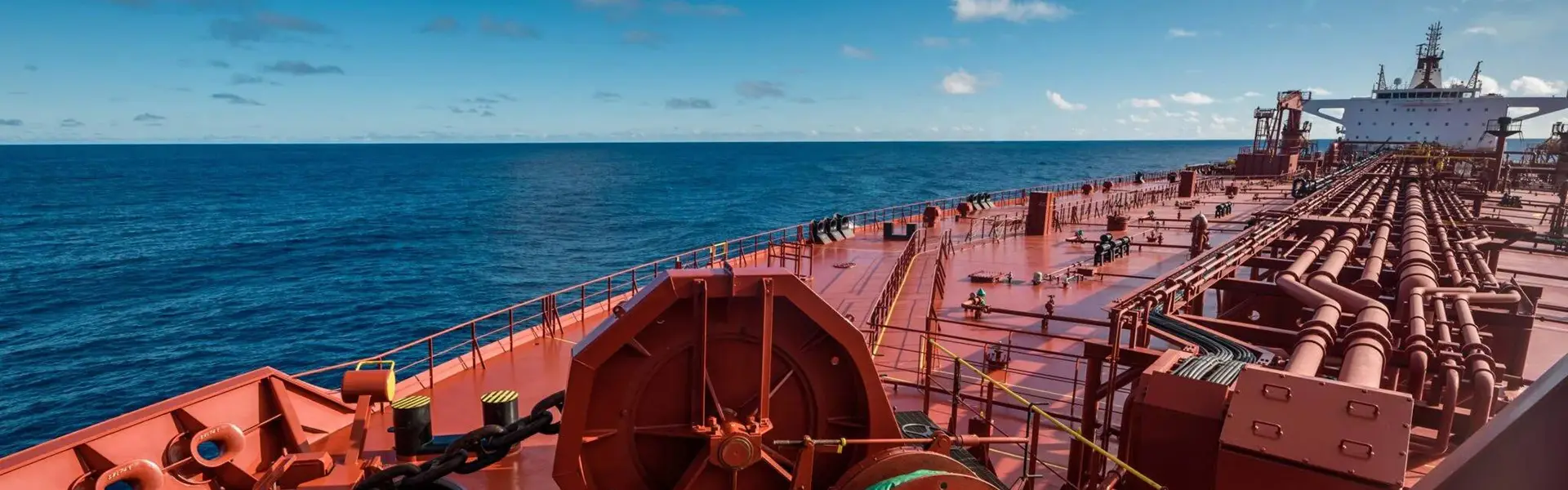
Essential Insights on Marine LNG Pipeline Insulation: Enhancing Safety and Efficiency
Jan 07,2026
When it comes to Marine LNG (Liquefied Natural Gas) pipeline insulation, understanding the various materials and technologies used is vital in ensuring safety, efficiency, and compliance with industry standards. Proper insulation serves several key functions in marine environments, particularly for LNG applications.
Firstly, the primary purpose of insulation in LNG pipelines is to maintain the low temperatures of the transported gas. LNG is stored at around -162 degrees Celsius, and without adequate insulation, heat ingress can lead to vaporization, resulting in pressure build-up that could compromise pipeline integrity. Insulation materials, such as polyurethane foam, polystyrene, and fiberglass, are commonly used due to their low thermal conductivity, helping to prevent heat transfer and maintain the LNG at its optimal temperature.
Additionally, effective insulation contributes to the overall energy efficiency of marine operations. By minimizing heat loss and maintaining LNG in its liquid state, insulation can significantly reduce the energy required for liquefaction and transportation. This is particularly important in a market where energy conservation is paramount, and operational costs need to be managed efficiently.
Another critical aspect of Marine LNG pipeline insulation is its role in protecting against physical damage and environmental influences. Insulation layers provide a barrier against moisture, saltwater, and mechanical impacts that are prevalent in marine conditions. The durability and reliability of insulation materials are essential in ensuring that pipelines can withstand harsh environments and reduce the risk of leaks, which can have catastrophic environmental consequences.
Moreover, selecting the right insulation material involves considering factors such as weight, strength, and environmental resistance. Lightweight materials are often preferred in marine applications to reduce the overall weight of the pipeline system, which can affect buoyancy and stability during installation and operation. Additionally, insulation must comply with safety standards and regulations to mitigate fire risks and other hazards associated with LNG transportation.
In conclusion, Marine LNG pipeline insulation is a vital component in the safe and efficient transportation of liquefied natural gas in marine environments. By choosing suitable materials and technologies, professionals in the metallurgy and energy sectors can enhance the performance and longevity of LNG pipelines. Furthermore, ongoing advancements in insulation technology continue to improve safety and efficiency in the maritime energy industry, making it imperative for stakeholders to stay informed about the latest developments and best practices in pipeline insulation.
Firstly, the primary purpose of insulation in LNG pipelines is to maintain the low temperatures of the transported gas. LNG is stored at around -162 degrees Celsius, and without adequate insulation, heat ingress can lead to vaporization, resulting in pressure build-up that could compromise pipeline integrity. Insulation materials, such as polyurethane foam, polystyrene, and fiberglass, are commonly used due to their low thermal conductivity, helping to prevent heat transfer and maintain the LNG at its optimal temperature.
Additionally, effective insulation contributes to the overall energy efficiency of marine operations. By minimizing heat loss and maintaining LNG in its liquid state, insulation can significantly reduce the energy required for liquefaction and transportation. This is particularly important in a market where energy conservation is paramount, and operational costs need to be managed efficiently.
Another critical aspect of Marine LNG pipeline insulation is its role in protecting against physical damage and environmental influences. Insulation layers provide a barrier against moisture, saltwater, and mechanical impacts that are prevalent in marine conditions. The durability and reliability of insulation materials are essential in ensuring that pipelines can withstand harsh environments and reduce the risk of leaks, which can have catastrophic environmental consequences.
Moreover, selecting the right insulation material involves considering factors such as weight, strength, and environmental resistance. Lightweight materials are often preferred in marine applications to reduce the overall weight of the pipeline system, which can affect buoyancy and stability during installation and operation. Additionally, insulation must comply with safety standards and regulations to mitigate fire risks and other hazards associated with LNG transportation.
In conclusion, Marine LNG pipeline insulation is a vital component in the safe and efficient transportation of liquefied natural gas in marine environments. By choosing suitable materials and technologies, professionals in the metallurgy and energy sectors can enhance the performance and longevity of LNG pipelines. Furthermore, ongoing advancements in insulation technology continue to improve safety and efficiency in the maritime energy industry, making it imperative for stakeholders to stay informed about the latest developments and best practices in pipeline insulation.



GREEN MARINE SOLUTION CO., LTD

488 Xinliu Road, Liuqiao Town, Nantong City, Jiangsu Province, China
Business License