
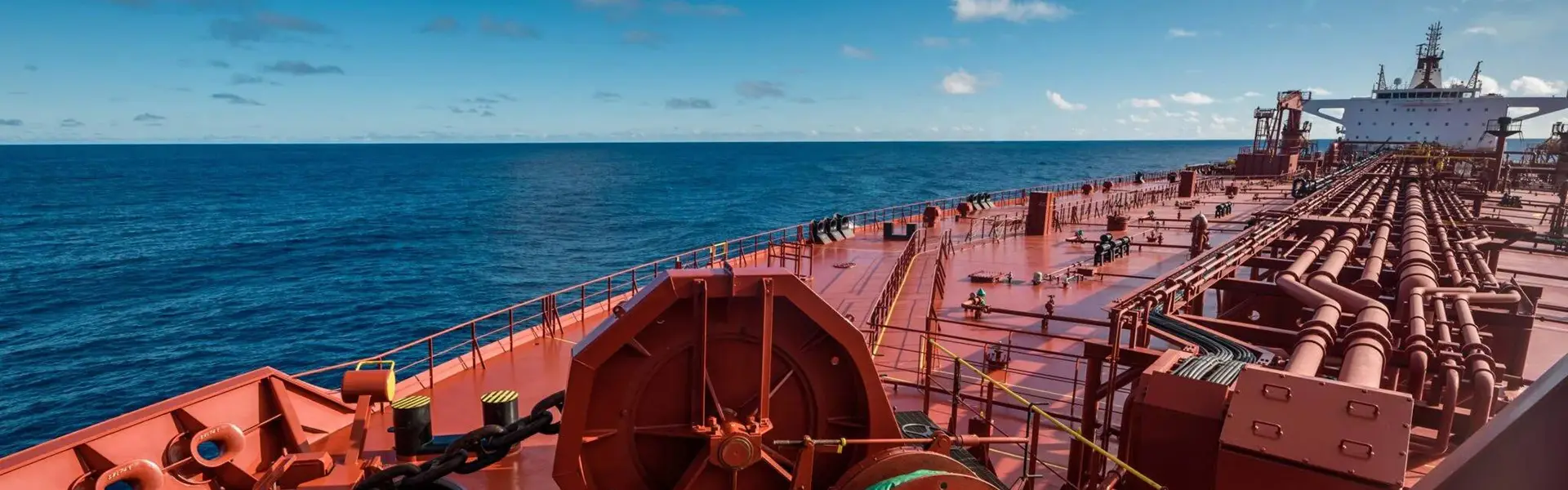
The Essential Guide to Class B Tank Insulation: Enhancing Efficiency in Marine Piping Systems
Jan 01,2026
Class B tank insulation is an important consideration in the maritime industry, especially when it comes to piping systems on vessels. This type of insulation is specifically designed to manage temperature control and mitigate heat loss in tanks, which is crucial for maintaining the efficiency of various processes on board.
One of the primary advantages of Class B tank insulation is its ability to improve thermal efficiency. By effectively insulating tanks, operators can minimize heat transfer, which is essential in maintaining optimal temperatures for liquids or gases stored within these systems. This is particularly vital in marine applications, where external environmental conditions can cause significant temperature fluctuations. A well-insulated tank can help ensure that the materials inside remain at a consistent temperature, thus supporting overall operational efficiency.
In addition to thermal efficiency, Class B tank insulation also plays a critical role in energy conservation. With reduced heat loss, vessels can lower their energy consumption, directly contributing to lower operational costs. This is especially relevant in the maritime sector, where fuel efficiency is paramount. By implementing effective insulation solutions, companies can not only enhance their sustainability efforts but also comply with increasingly stringent environmental regulations.
Moreover, safety is another key aspect where Class B tank insulation proves beneficial. Insulating tanks can help prevent overheating and reduce the risk of fire hazards, which is particularly crucial in a marine setting where the presence of flammable materials can pose significant risks. The insulation creates a barrier that protects both personnel and equipment, ensuring that operations are conducted safely and efficiently.
When choosing insulation materials for Class B tanks, it is essential to consider factors such as material compatibility, thermal performance, and resistance to corrosion. The right choice of insulation can greatly impact the longevity of the tanks and the reliability of the entire piping system. Additionally, proper installation and maintenance of insulation materials are critical for ensuring their effectiveness over time.
In summary, Class B tank insulation is a vital component in the maritime industry, especially in relation to piping systems. Its contributions to thermal efficiency, energy conservation, and safety make it an indispensable element of operational strategies. By prioritizing effective insulation solutions, professionals in the metallurgy, mining, and energy sectors can enhance performance, reduce costs, and ensure safe operations on their vessels.
One of the primary advantages of Class B tank insulation is its ability to improve thermal efficiency. By effectively insulating tanks, operators can minimize heat transfer, which is essential in maintaining optimal temperatures for liquids or gases stored within these systems. This is particularly vital in marine applications, where external environmental conditions can cause significant temperature fluctuations. A well-insulated tank can help ensure that the materials inside remain at a consistent temperature, thus supporting overall operational efficiency.
In addition to thermal efficiency, Class B tank insulation also plays a critical role in energy conservation. With reduced heat loss, vessels can lower their energy consumption, directly contributing to lower operational costs. This is especially relevant in the maritime sector, where fuel efficiency is paramount. By implementing effective insulation solutions, companies can not only enhance their sustainability efforts but also comply with increasingly stringent environmental regulations.
Moreover, safety is another key aspect where Class B tank insulation proves beneficial. Insulating tanks can help prevent overheating and reduce the risk of fire hazards, which is particularly crucial in a marine setting where the presence of flammable materials can pose significant risks. The insulation creates a barrier that protects both personnel and equipment, ensuring that operations are conducted safely and efficiently.
When choosing insulation materials for Class B tanks, it is essential to consider factors such as material compatibility, thermal performance, and resistance to corrosion. The right choice of insulation can greatly impact the longevity of the tanks and the reliability of the entire piping system. Additionally, proper installation and maintenance of insulation materials are critical for ensuring their effectiveness over time.
In summary, Class B tank insulation is a vital component in the maritime industry, especially in relation to piping systems. Its contributions to thermal efficiency, energy conservation, and safety make it an indispensable element of operational strategies. By prioritizing effective insulation solutions, professionals in the metallurgy, mining, and energy sectors can enhance performance, reduce costs, and ensure safe operations on their vessels.



GREEN MARINE SOLUTION CO., LTD

488 Xinliu Road, Liuqiao Town, Nantong City, Jiangsu Province, China
Business License