
Inert Gas Generator for Ships: Ensuring Maritime Safety and Efficiency
Feb 14,2026
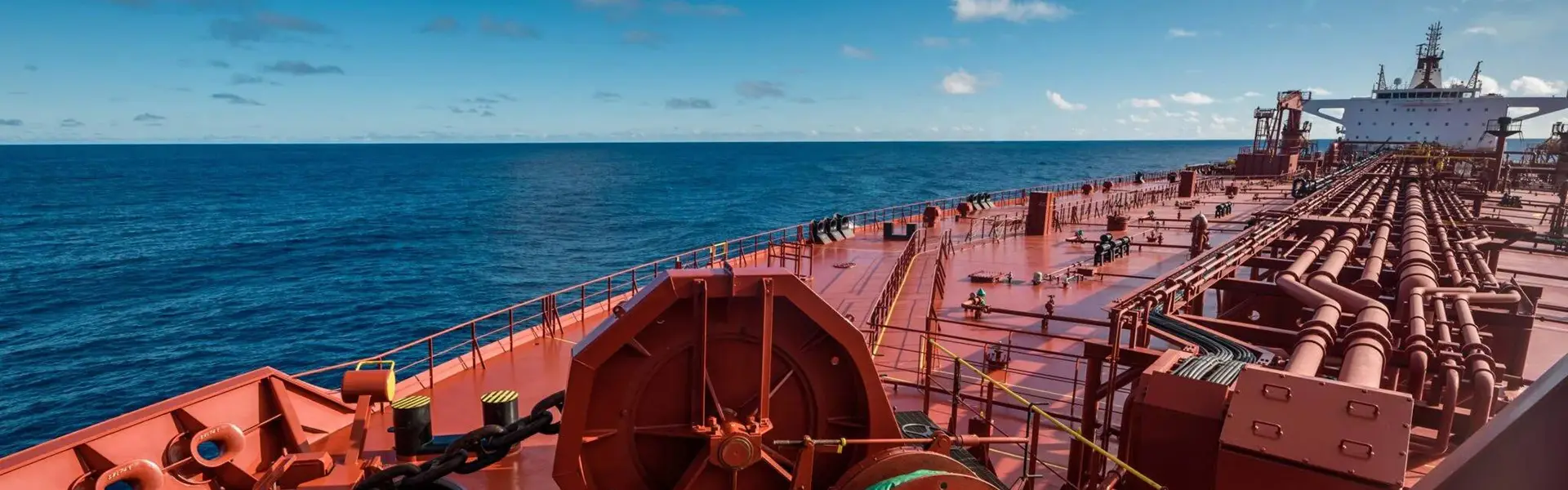
The inert gas generator for ships has become an indispensable system in modern maritime operations, providing essential protection against fire and explosion risks in cargo tanks and other volatile storage areas. As global shipping demands increase, safety regulations have become more stringent, and the use of inert gas generators (IGGs) has grown significantly across the shipping industry. These systems are particularly crucial for oil tankers, chemical carriers, liquefied gas ships, and other vessels transporting flammable or hazardous cargo.
An inert gas generator for ships produces nitrogen-rich or carbon dioxide-rich gas that displaces oxygen in storage tanks and pipelines, maintaining oxygen levels at safe limits. By reducing the oxygen concentration, the generator effectively prevents combustion and explosion, protecting both the vessel and crew. Unlike older methods that relied on boiler flue gas systems, modern IGGs are compact, efficient, and capable of generating consistent inert gas with high purity, ensuring maximum safety even under challenging sea conditions.
One of the primary advantages of using an inert gas generator for ships is enhanced safety. Maritime accidents involving flammable cargo can have catastrophic consequences, including environmental damage, financial loss, and loss of life. By maintaining an inert atmosphere within cargo tanks, IGGs minimize the risk of fire or explosion, allowing ship operators to comply with international safety regulations, including SOLAS (Safety of Life at Sea) and IMO (International Maritime Organization) standards. Regular use of an IGG also improves crew confidence and operational reliability, providing peace of mind during long voyages.
In addition to safety, inert gas generators for ships improve operational efficiency. Modern IGGs are designed to operate continuously, maintaining a stable inert atmosphere without interruption. This allows ships to load, transport, and discharge flammable or reactive cargo without delays caused by tank ventilation or manual monitoring. Advanced IGG systems are equipped with automated control panels, flow meters, oxygen sensors, and pressure regulators, enabling precise monitoring and adjustment of gas output. This automation reduces human error and ensures consistent protection, even during high-capacity cargo operations.
Durability and reliability are key features of high-quality inert gas generators for ships. These systems are engineered to withstand harsh marine environments, including high humidity, saltwater exposure, and continuous operation under variable temperatures. Corrosion-resistant materials, robust construction, and redundancy in critical components ensure long service life and minimal maintenance requirements. Many modern IGGs also feature modular designs, allowing easy integration into different ship layouts and retrofitting for older vessels.
Environmental considerations are increasingly influencing the design and use of inert gas generators for ships. Newer systems are optimized for fuel efficiency and lower emissions, reducing the environmental impact of onboard gas production. By generating inert gas directly on the ship rather than relying on external sources, operators can minimize transportation and storage of gas cylinders, further enhancing sustainability. Additionally, innovations in energy recovery and waste heat utilization from ship engines have improved the overall efficiency of IGGs, making them both environmentally and economically advantageous.
The applications of inert gas generators for ships extend beyond cargo tanks. These systems are also used to inert pipelines, pump rooms, and storage facilities on board, ensuring comprehensive protection against ignition risks. For chemical tankers, IGGs are essential for maintaining the stability of reactive chemicals during transit. In LNG carriers, nitrogen-based IGGs prevent flammable gas mixtures from forming in ballast tanks and storage compartments. This versatility demonstrates the critical role of IGGs in modern maritime operations.
The global market for inert gas generators for ships has experienced significant growth, driven by stricter maritime safety regulations, increased shipping of hazardous materials, and advances in technology. Manufacturers worldwide are investing in R&D to enhance performance, reduce footprint, and improve automation. China, Europe, and North America are leading suppliers of high-quality IGG systems, offering both standardized models and custom solutions to meet the unique needs of different vessels. Customized IGGs allow shipowners to optimize gas production for specific cargo types, tank sizes, and voyage durations, ensuring safety and efficiency.
Looking ahead, the future of inert gas generators for ships is promising. Innovations such as hybrid IGGs, integrated control systems with ship automation, and real-time monitoring via IoT technologies are expected to further enhance safety and operational efficiency. As global trade continues to expand and environmental regulations tighten, the adoption of advanced IGG systems will remain essential for maritime safety, cargo protection, and sustainable shipping practices.
In conclusion, the inert gas generator for ships is a critical technology in ensuring the safety, reliability, and efficiency of modern maritime operations. By producing oxygen-displacing gas, IGGs prevent fires and explosions in cargo tanks, pipelines, and storage areas. Their durability, automation, and environmental efficiency make them indispensable for oil tankers, chemical carriers, LNG ships, and other vessels handling flammable or reactive cargo. As technology evolves, IGGs will continue to play a pivotal role in maritime safety and sustainable shipping worldwide.



GREEN MARINE SOLUTION CO., LTD

488 Xinliu Road, Liuqiao Town, Nantong City, Jiangsu Province, China