
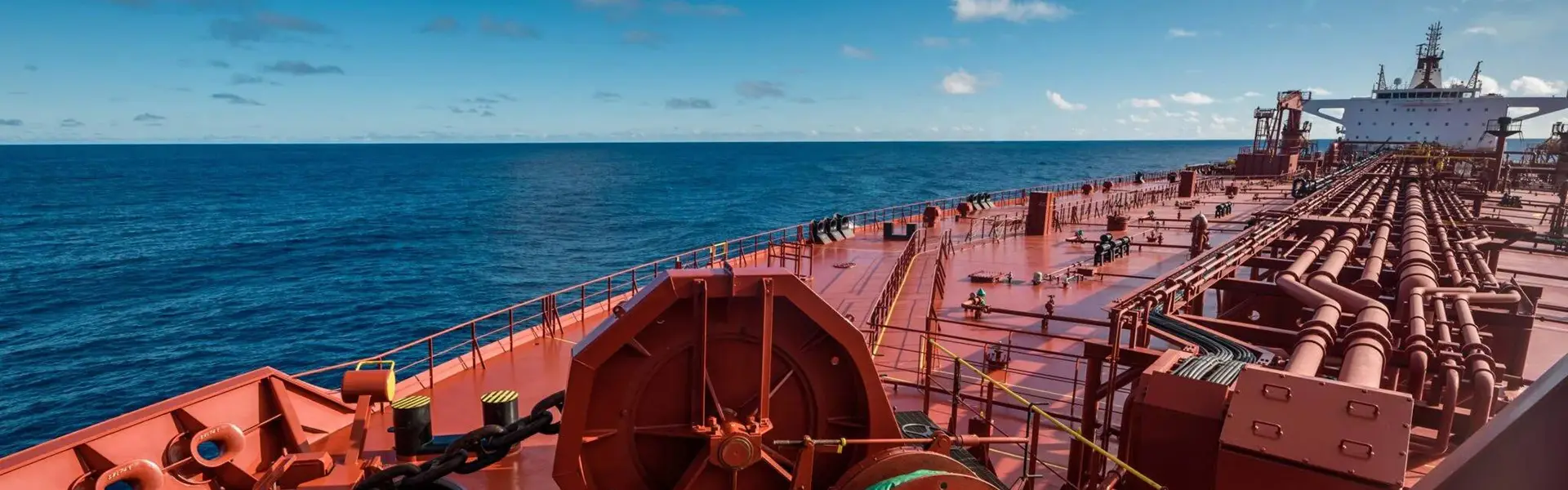
Marine LNG Pipeline Insulation: Enhancing Longevity and Durability
Jan 30,2026
Marine LNG Pipeline Insulation: Enhancing Longevity and Durability
Table of Contents
- Introduction to Marine LNG Pipeline Insulation
- The Importance of Insulation in Marine LNG Pipelines
- Types of Insulation Materials for Marine LNG Pipelines
- Best Practices in Installation and Maintenance
- Technological Advancements in Pipeline Insulation
- Environmental Considerations for LNG Pipeline Systems
- Case Studies: Successful Insulation Projects
- Frequently Asked Questions
- Conclusion
Introduction to Marine LNG Pipeline Insulation
Marine LNG (Liquefied Natural Gas) pipeline systems play a crucial role in the global energy sector, transporting natural gas from offshore facilities to processing plants. Given the unique challenges posed by marine environments, adequate insulation is vital for preserving the integrity and efficiency of these pipelines. This article delves into the significance of marine LNG pipeline insulation, exploring various materials, installation practices, and cutting-edge technological advancements designed to enhance longevity and durability.
The Importance of Insulation in Marine LNG Pipelines
Insulation serves several essential functions in marine LNG pipeline systems:
1. Thermal Performance
Proper insulation minimizes heat transfer, maintaining the LNG at its low temperatures to prevent vaporization. This thermal stability is crucial for maintaining the pipeline's efficiency and ensuring the safe transport of LNG.
2. Corrosion Resistance
Marine environments expose pipelines to saltwater and humidity, increasing the risk of corrosion. Quality insulation materials provide a barrier against moisture, mitigating corrosion and extending the lifecycle of the pipelines.
3. Structural Integrity
Robust insulation materials support the structural integrity of pipelines by providing mechanical protection against external forces such as waves, currents, and impacts, especially during transport and installation.
4. Safety Enhancements
By maintaining the LNG at lower temperatures, insulation plays a critical role in preventing accidents such as leaks or explosions, contributing to the overall safety of marine operations.
Types of Insulation Materials for Marine LNG Pipelines
Various insulation materials are employed in marine LNG pipelines, each offering its unique advantages. Understanding these materials is essential for making informed decisions regarding pipeline insulation.
Polyurethane Foam
Polyurethane foam is widely used in marine LNG pipelines due to its superior thermal insulation properties. It has a low thermal conductivity, which effectively minimizes heat transfer. Additionally, it offers excellent resistance to moisture and chemicals, making it an ideal choice for marine environments.
Polystyrene Insulation
Polystyrene, particularly Expanded Polystyrene (EPS) and Extruded Polystyrene (XPS), is another popular choice for marine LNG pipeline insulation. Its lightweight nature facilitates easier installation, and it provides good thermal resistance. Polystyrene also demonstrates resilience against moisture, further enhancing its suitability for marine applications.
Mineral Wool
Mineral wool insulation, derived from natural or synthetic minerals, is favored for its fire-resistance properties and ability to withstand high temperatures. While it may not have the same thermal efficiency as polyurethane, its other properties make it a viable option in specific contexts.
Best Practices in Installation and Maintenance
To maximize the effectiveness of marine LNG pipeline insulation, adherence to best practices during installation and maintenance is crucial.
1. Surface Preparation
Before applying insulation, ensure that the pipeline surface is clean, dry, and free from contaminants. This step is vital to achieving proper adhesion and preventing moisture accumulation.
2. Precision in Cutting and Fitting
Insulation materials should be cut accurately to fit snugly around the pipeline. Gaps or misalignments can lead to thermal bridging, compromising the insulation's effectiveness.
3. Protective Coatings
Applying protective coatings over insulation can further enhance its durability. These coatings shield against moisture, UV radiation, and physical damage, thereby extending the lifespan of the insulation system.
4. Regular Inspections
Conducting routine inspections allows for the early detection of potential issues such as moisture ingress or mechanical damage. Timely maintenance can prevent significant problems down the line.
Technological Advancements in Pipeline Insulation
The field of marine LNG pipeline insulation has seen significant advancements in recent years, driven by the need for improved performance and sustainability.
1. Smart Insulation Systems
Emerging technologies have led to the development of smart insulation systems equipped with sensors. These systems can monitor temperature and moisture levels in real-time, allowing for proactive maintenance and enhanced operational efficiency.
2. Advanced Materials
Innovations in material science have produced advanced insulation materials with superior thermal and mechanical properties. For example, aerogel-based insulation offers exceptional thermal resistance while being lightweight and flexible.
3. Sustainable Options
With increasing emphasis on sustainability, manufacturers are developing insulation materials from recycled or renewable sources. Such options not only reduce environmental impact but also contribute to the circular economy within the maritime industry.
Environmental Considerations for LNG Pipeline Systems
The marine environment poses unique challenges to LNG pipeline systems, necessitating careful consideration of ecological impacts.
1. Reducing Carbon Footprint
Implementing insulation solutions that enhance energy efficiency can significantly reduce the carbon footprint associated with LNG transportation. Insulation helps minimize energy loss, thus lowering overall emissions.
2. Protecting Marine Ecosystems
Properly insulated pipelines are less likely to leak, thus reducing the risk of contamination to marine ecosystems. Employing environmentally friendly insulation materials further benefits ecological balance.
Case Studies: Successful Insulation Projects
Understanding real-world applications of marine LNG pipeline insulation can provide valuable insights into best practices and innovative solutions.
1. Project A: Offshore LNG Terminal
In an offshore LNG terminal project, a combination of polyurethane foam and protective coatings was employed. The insulated pipelines demonstrated enhanced thermal performance and corrosion resistance, resulting in a remarkable 25% reduction in energy loss.
2. Project B: Coastal LNG Transport
A coastal LNG transport project utilized polystyrene insulation. The lightweight nature of the material allowed for easy installation, while its moisture resistance facilitated optimal performance in fluctuating marine conditions.
Frequently Asked Questions
1. What is the best insulation material for marine LNG pipelines?
The best insulation material often depends on specific project requirements. Polyurethane foam is commonly preferred due to its thermal efficiency and moisture resistance, while polystyrene and mineral wool may offer advantages in certain applications.
2. How does insulation impact LNG transportation costs?
Effective insulation minimizes energy loss, reducing operational costs associated with maintaining LNG temperatures. This efficiency translates to lower transportation costs.
3. What maintenance practices are recommended for insulated pipelines?
Regular inspections, surface cleaning, and protective coatings are recommended to ensure the longevity and effectiveness of insulation systems.
4. Can insulation materials be recycled?
Many modern insulation materials, including certain types of polystyrene, can be recycled. Always verify with manufacturers for specific recycling guidelines.
5. How often should marine LNG pipelines be inspected?
It is advisable to conduct inspections at least annually or after significant environmental changes or incidents to ensure the continued integrity of the insulation.
Conclusion
Marine LNG pipeline insulation is a critical component in ensuring the longevity and durability of pipeline systems in challenging marine environments. By selecting appropriate insulation materials, adhering to best installation practices, and leveraging advanced technologies, operators can enhance the efficiency and safety of LNG transportation. As the industry continues to evolve, embracing sustainable and innovative solutions will be key to meeting the growing demand for reliable and environmentally responsible energy sources.
PREVIOUS:
Related Posts



GREEN MARINE SOLUTION CO., LTD

488 Xinliu Road, Liuqiao Town, Nantong City, Jiangsu Province, China
Business License