
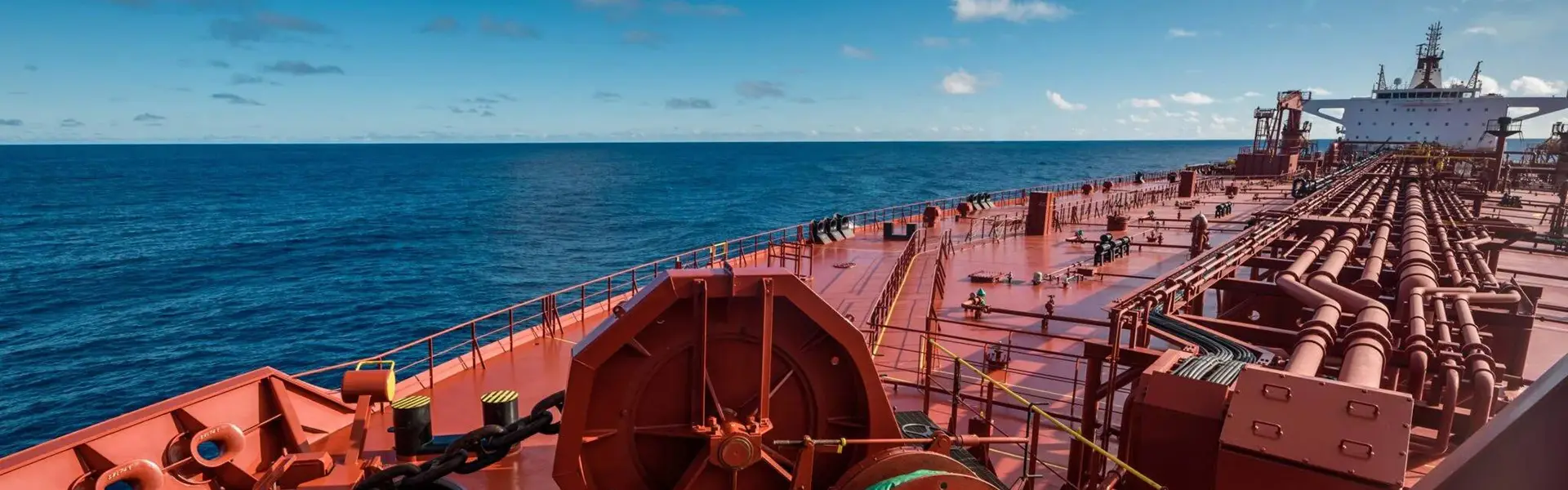
Choosing the Right Insulation for Marine LNG Pipelines: A Comprehensive Guide
Dec 22,2025
Choosing the Right Insulation for Marine LNG Pipelines: A Comprehensive Guide
In the maritime industry, the integrity and efficiency of LNG (Liquefied Natural Gas) supply systems are paramount. The insulation of marine LNG pipelines plays a critical role in maintaining the temperature of the LNG and preventing energy losses. In this guide, we will explore the various options available, key considerations, and practical insights to help you choose the right insulation for your marine LNG pipelines.
Table of Contents
- Understanding LNG Pipeline Insulation
- The Importance of Insulation in Marine Applications
- Types of Insulation Materials for Marine LNG Pipelines
- Polyurethane Foam Insulation
- Polyisocyanurate Foam Insulation
- Mineral Wool Insulation
- Glass Wool Insulation
- Factors to Consider When Choosing Insulation
- Installation Techniques for LNG Pipeline Insulation
- Maintenance of Insulated LNG Pipelines
- Case Studies and Examples
- Frequently Asked Questions
Understanding LNG Pipeline Insulation
LNG pipelines are critical in transporting liquefied natural gas from production facilities to end-users. The insulation used in these pipelines is designed to minimize heat transfer between the LNG and the surrounding environment, ensuring that the LNG remains in its liquid state until it reaches its destination. Effective insulation helps maintain operational efficiency, reduces energy losses, and increases the system's overall reliability.
The Importance of Insulation in Marine Applications
The marine environment poses unique challenges for LNG pipelines, including high humidity, salty air, and temperature fluctuations. Insulation serves to protect the pipeline from these external factors while ensuring that the LNG is kept at low temperatures. Here are some key reasons why insulation is essential for marine LNG pipelines:
- Thermal Efficiency: Insulation helps to maintain the low temperature of LNG, preventing it from vaporizing prematurely, which is crucial for maintaining energy efficiency.
- Corrosion Prevention: Proper insulation can protect pipelines from moisture and corrosive elements in the marine environment, extending the lifespan of the infrastructure.
- Safety: By keeping LNG at the appropriate temperature, insulation reduces the risk of accidents related to vaporization and potential fires.
Types of Insulation Materials for Marine LNG Pipelines
Choosing the right insulation material is crucial for the performance of marine LNG pipelines. Various materials offer distinct advantages and disadvantages. Below, we examine some of the most common insulation materials used in marine applications.
Polyurethane Foam Insulation
Polyurethane foam is one of the most widely used insulation materials for marine LNG pipelines due to its superior thermal performance. With a low thermal conductivity, polyurethane foam effectively minimizes heat transfer. Its lightweight nature makes it easy to handle and install, and it is resistant to moisture, which is particularly important in marine environments.
Polyisocyanurate Foam Insulation
Polyisocyanurate foam insulation offers similar benefits to polyurethane but with enhanced fire resistance. This material is ideal for environments where fire safety is a concern. Its excellent thermal insulation properties help maintain the LNG's temperature while providing a robust barrier against moisture and mechanical impact.
Mineral Wool Insulation
Mineral wool, made from natural or synthetic fibers, is a versatile insulation material with good thermal and sound insulation properties. It is non-combustible, making it a safe choice for high-temperature environments. However, mineral wool is more prone to moisture absorption, which can lead to thermal performance degradation if not properly installed.
Glass Wool Insulation
Glass wool is another popular option for marine pipelines due to its lightweight and good thermal insulation properties. It is resistant to moisture and has a high melting point, making it suitable for various applications. However, glass wool may not offer the same level of mechanical strength as other materials, so careful consideration must be given to its installation.
Factors to Consider When Choosing Insulation
When selecting the appropriate insulation for marine LNG pipelines, several factors must be taken into account to ensure optimal performance and safety.
Thermal Performance
The primary function of insulation is to reduce heat transfer. Therefore, it is vital to choose materials with low thermal conductivity. Evaluate materials based on their R-value, which measures insulation's effectiveness. Higher R-values indicate better thermal performance, which is crucial for LNG applications.
Moisture Resistance
Given the marine environment, moisture resistance is a critical factor. Insulation materials must be impermeable to water and resistant to mold and mildew. This quality ensures that the insulation maintains its thermal performance over time and prevents degradation due to moisture exposure.
Mechanical Properties
Marine LNG pipelines must withstand various mechanical stresses, including impacts, vibrations, and pressure fluctuations. It is essential to select insulation materials that possess adequate mechanical strength to endure these conditions without compromising performance.
Compliance with Regulations
Insulation materials must meet specific industry regulations and standards to ensure safety and performance. Familiarize yourself with local and international regulations governing LNG installations to ensure your chosen insulation complies with all necessary guidelines.
Installation Techniques for LNG Pipeline Insulation
Proper installation is crucial for ensuring the effectiveness of the insulation. Below are some essential techniques and best practices for installing insulation on marine LNG pipelines:
- Surface Preparation: Ensure that the pipeline surface is clean and free from contaminants before installing insulation to promote adhesion and prevent moisture ingress.
- Sealing Joints: Use appropriate sealing methods for joints and seams to prevent air and moisture infiltration, which can compromise the insulation's effectiveness.
- Securing Insulation: Choose the right fastening methods to secure insulation materials in place, ensuring that they can withstand marine conditions without shifting or becoming dislodged.
Maintenance of Insulated LNG Pipelines
Regular maintenance is crucial to preserving the integrity and performance of insulated LNG pipelines. Implementing a comprehensive maintenance program can help identify potential issues early and prolong the lifespan of the insulation and the pipeline as a whole.
- Routine Inspections: Conduct regular inspections to check for signs of damage or wear in the insulation and the pipeline itself.
- Moisture Checks: Monitor for moisture accumulation, which can indicate insulation failure or water ingress.
- Repair and Replacement: Address any identified issues promptly by repairing or replacing damaged sections of insulation to maintain optimal thermal performance.
Case Studies and Examples
Examining successful implementations of insulation in marine LNG pipelines can provide valuable insights and lessons learned. Numerous companies have adopted innovative insulation solutions that have significantly improved operational efficiency and safety. For instance:
- Case Study 1: A major LNG shipping company implemented polyurethane foam insulation in their pipelines, resulting in a 20% reduction in thermal losses and enhanced system reliability.
- Case Study 2: Another company utilized mineral wool for its robust fire resistance, leading to better safety compliance and lower insurance premiums.
Frequently Asked Questions
1. What is the best insulation material for marine LNG pipelines?
The best insulation material often depends on specific project requirements, but polyurethane foam and polyisocyanurate foam are commonly favored for their thermal efficiency and moisture resistance.
2. How do I ensure proper installation of LNG pipeline insulation?
Proper installation involves thorough surface preparation, sealing joints correctly, and securing insulation materials to withstand marine conditions. Following the manufacturer's guidelines is vital as well.
3. How often should I conduct maintenance on insulated LNG pipelines?
Routine inspections should be performed at least annually, with more frequent checks recommended in harsh marine environments. Promptly address any identified issues to maintain performance.
4. What are the regulatory requirements for LNG pipeline insulation?
Regulatory requirements vary by region but generally include guidelines on materials, installation practices, and safety standards. Consult local regulations and industry standards for specific compliance information.
5. Can I insulate existing LNG pipelines?
Yes, existing LNG pipelines can be insulated, provided that the surface is adequately prepared and the insulation material adheres correctly. Retrofitting may also require additional considerations for compatibility with existing systems.
Conclusion
Choosing the right insulation for marine LNG pipelines is a complex process that requires careful consideration of multiple factors, including material properties, installation techniques, and compliance with regulations. By understanding the unique challenges posed by the marine environment and selecting appropriate insulation materials, companies can significantly enhance the efficiency and safety of their LNG supply systems. This comprehensive guide serves as a foundational resource for making informed decisions that align with operational goals and regulatory standards.



GREEN MARINE SOLUTION CO., LTD

488 Xinliu Road, Liuqiao Town, Nantong City, Jiangsu Province, China