
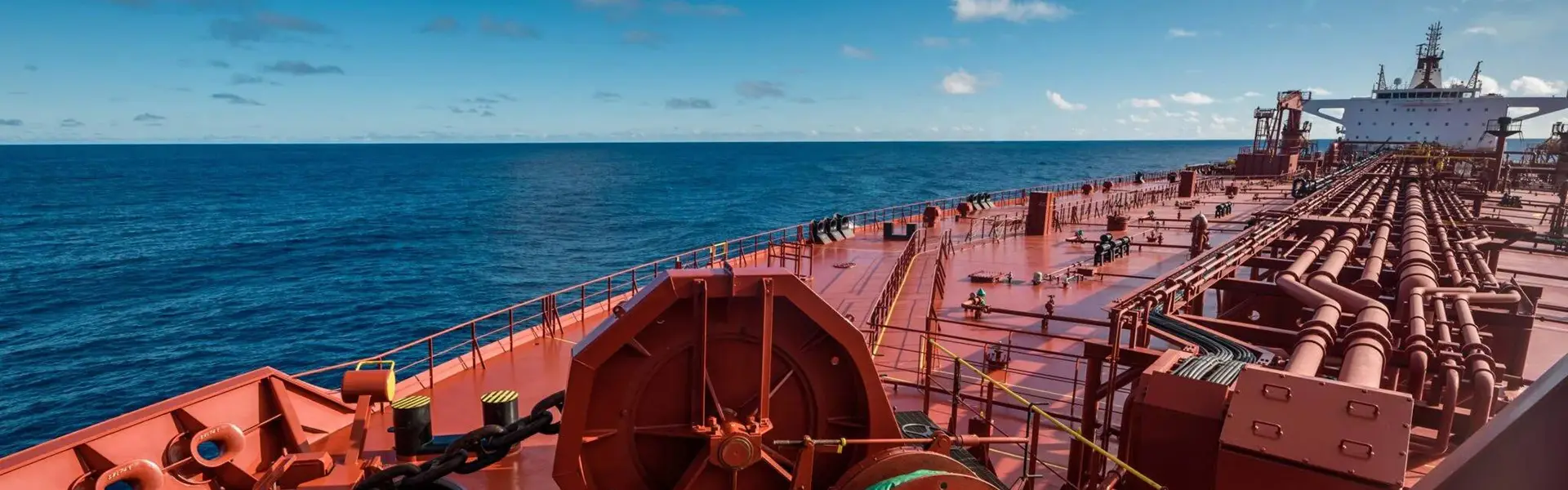
Understanding Class B Tank Insulation: Key Insights for the Maritime Industry
Nov 30,2025
Class B tank insulation plays a crucial role in various industries, particularly in metallurgy, mining, and energy sectors involving pipes and marine applications. Insulation serves not only as a protective barrier but also contributes to efficiency, safety, and environmental considerations. Understanding the characteristics and advantages of Class B tank insulation is essential for maintaining optimal operations in maritime settings.
One of the primary functions of Class B tank insulation is to minimize heat transfer. This is particularly important in maritime environments where temperature fluctuations can impact the integrity of stored liquids and gases. Insulation helps maintain the desired temperature, preventing potential condensation and corrosion, which can lead to costly damages and safety hazards.
Additionally, Class B tank insulation can enhance energy efficiency within a system. By reducing heat loss, insulation ensures that heating systems operate more effectively, leading to lower energy consumption. This is especially relevant in the context of regulatory compliance, where operational efficiency can translate to reduced emissions, aligning with environmental standards and corporate responsibility goals.
Safety is another vital consideration when it comes to Class B tank insulation. Proper insulation can help prevent the risk of burns or accidents caused by hot surfaces. In maritime applications, where crew safety is paramount, effective insulation acts as a safeguard against thermal injuries. Furthermore, in the event of a spill or leak, insulation can also mitigate the spread of flammable materials, contributing to disaster prevention.
When selecting Class B tank insulation, it’s essential to assess the specific needs of your operation. Factors such as the type of materials being stored, the operating temperature range, and environmental conditions should influence your choice. Moreover, the installation process should be performed by trained professionals to ensure that the insulation is applied correctly and effectively.
In summary, Class B tank insulation is a critical component in the maritime industry, particularly within the metallurgy, mining, and energy sectors. By minimizing heat transfer, enhancing energy efficiency, and ensuring safety, this type of insulation addresses key challenges faced by companies operating in these fields. Whether you are involved in the construction, maintenance, or operation of marine systems, understanding the importance of Class B tank insulation can lead to improved performance and safety in your projects.
One of the primary functions of Class B tank insulation is to minimize heat transfer. This is particularly important in maritime environments where temperature fluctuations can impact the integrity of stored liquids and gases. Insulation helps maintain the desired temperature, preventing potential condensation and corrosion, which can lead to costly damages and safety hazards.
Additionally, Class B tank insulation can enhance energy efficiency within a system. By reducing heat loss, insulation ensures that heating systems operate more effectively, leading to lower energy consumption. This is especially relevant in the context of regulatory compliance, where operational efficiency can translate to reduced emissions, aligning with environmental standards and corporate responsibility goals.
Safety is another vital consideration when it comes to Class B tank insulation. Proper insulation can help prevent the risk of burns or accidents caused by hot surfaces. In maritime applications, where crew safety is paramount, effective insulation acts as a safeguard against thermal injuries. Furthermore, in the event of a spill or leak, insulation can also mitigate the spread of flammable materials, contributing to disaster prevention.
When selecting Class B tank insulation, it’s essential to assess the specific needs of your operation. Factors such as the type of materials being stored, the operating temperature range, and environmental conditions should influence your choice. Moreover, the installation process should be performed by trained professionals to ensure that the insulation is applied correctly and effectively.
In summary, Class B tank insulation is a critical component in the maritime industry, particularly within the metallurgy, mining, and energy sectors. By minimizing heat transfer, enhancing energy efficiency, and ensuring safety, this type of insulation addresses key challenges faced by companies operating in these fields. Whether you are involved in the construction, maintenance, or operation of marine systems, understanding the importance of Class B tank insulation can lead to improved performance and safety in your projects.
Related Posts



GREEN MARINE SOLUTION CO., LTD

488 Xinliu Road, Liuqiao Town, Nantong City, Jiangsu Province, China
Business License