
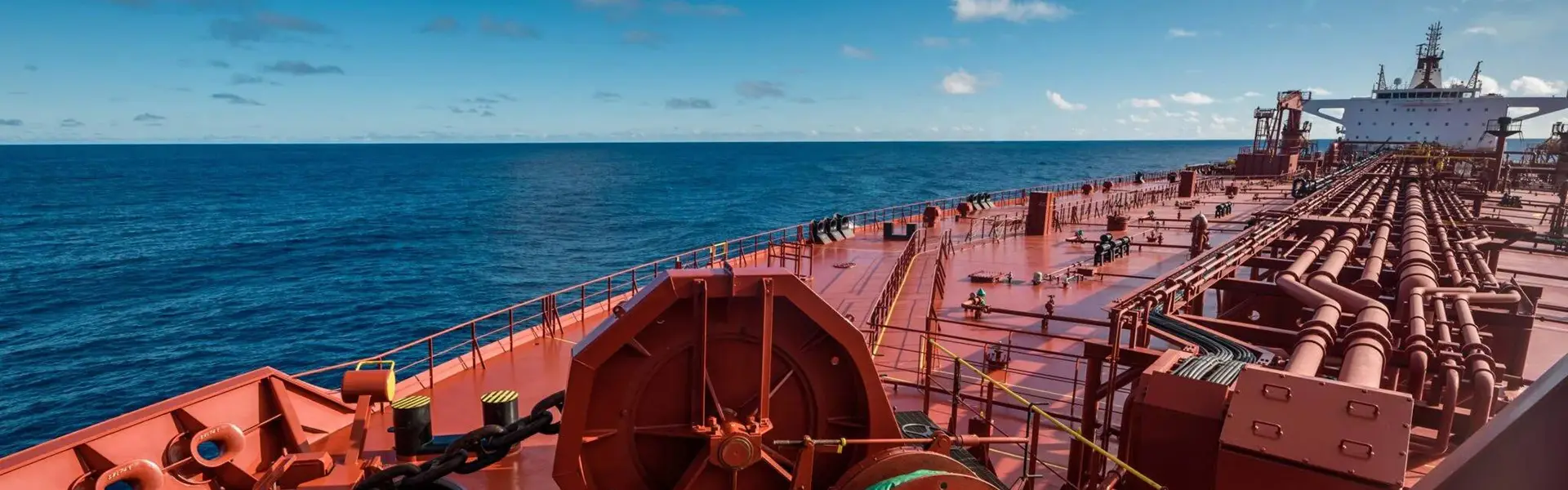
A Deep Dive into Marine LNG Pipeline Insulation Technologies: Advancements, Applications, and Future Trends
May 10,2026
A Deep Dive into Marine LNG Pipeline Insulation Technologies
Table of Contents
1. Introduction to Marine LNG Transportation
2. The Importance of Pipeline Insulation in LNG Applications
3. Types of Insulation Materials Used in Marine LNG Pipelines
3.1. Polyurethane Foam
3.2. Glass Wool
3.3. Polyethylene Insulation
3.4. Aerogel
4. Key Insulation Technologies and Their Applications
4.1. Vacuum Insulated Pipe (VIP)
4.2. Cryogenic Insulation Technologies
5. Factors Influencing Insulation Performance
6. Case Studies: Successful Implementation of Insulation Technologies
7. Challenges in Marine LNG Pipeline Insulation
8. Future Trends in LNG Pipeline Insulation Technologies
9. FAQs
10. Conclusion
1. Introduction to Marine LNG Transportation
The transportation of Liquefied Natural Gas (LNG) via marine pipelines is a critical component of the global energy landscape. **LNG**, primarily composed of methane, is cooled to a liquid state for storage and transport. This process significantly reduces its volume, enabling efficiency in logistics and storage. As the demand for cleaner energy sources grows, the need for reliable and efficient LNG transportation methods becomes paramount.
Marine LNG transportation vessels are specially designed to handle the unique properties of LNG. These vessels face challenges such as extreme temperatures, potential leakage, and the need for robust safety measures. Here, **pipeline insulation** plays a vital role in maintaining the integrity of the LNG during transit.
2. The Importance of Pipeline Insulation in LNG Applications
Insulation is not merely a supplementary feature; it is a fundamental requirement for LNG pipelines. **Insulation** serves multiple purposes, including:
- **Temperature Maintenance**: Effective insulation is crucial for maintaining the LNG at cryogenic temperatures, preventing it from vaporizing back into gas.
- **Energy Efficiency**: Insulated pipelines minimize energy loss, thereby enhancing the overall efficiency of the LNG transport process.
- **Safety**: Proper insulation reduces the risk of leaks and potential environmental hazards associated with LNG.
- **Compliance**: Meeting industry regulations and standards is essential for operational legitimacy; insulation plays a significant role in compliance.
3. Types of Insulation Materials Used in Marine LNG Pipelines
The choice of insulation material is critical in determining the effectiveness and efficiency of LNG pipelines. Here are some of the most commonly used materials:
3.1. Polyurethane Foam
Polyurethane foam is widely used in LNG applications due to its excellent thermal insulation properties and lightweight nature. It provides a high R-value, which is critical for minimizing heat transfer.
3.2. Glass Wool
Glass wool is another popular choice for LNG pipeline insulation. It is non-combustible and has good thermal resistance, making it suitable for applications where safety is a concern.
3.3. Polyethylene Insulation
Polyethylene is often utilized in the insulation of LNG pipelines due to its moisture resistance and durability. It helps protect against external environmental factors, contributing to the longevity of the pipeline.
3.4. Aerogel
Aerogel, known for being one of the lightest solids, has recently gained attention for LNG applications. Its exceptional insulating properties make it an attractive option for high-performance pipelines, even in limited spaces.
4. Key Insulation Technologies and Their Applications
As technology progresses, new methods and materials for LNG pipeline insulation continue to emerge. Here, we explore some of the notable technologies in use today:
4.1. Vacuum Insulated Pipe (VIP)
Vacuum Insulated Pipe technology utilizes a vacuum between two pipe walls to minimize heat transfer. This design effectively maintains LNG at cryogenic temperatures, making it ideal for marine applications where temperature control is crucial.
4.2. Cryogenic Insulation Technologies
Cryogenic insulation technologies encompass a range of materials and techniques designed for ultra-low temperatures. These systems ensure that LNG remains in a liquid state, preventing vaporization during transport.
5. Factors Influencing Insulation Performance
The performance of LNG pipeline insulation can be influenced by various factors, including:
- **Environmental Conditions**: Temperature fluctuations and humidity levels can impact insulation effectiveness.
- **Material Quality**: Higher quality insulation materials often provide better performance and longevity.
- **Installation Techniques**: Proper installation is essential for maximizing the thermal performance of insulation materials.
- **Maintenance Practices**: Regular inspection and maintenance are necessary to identify and address insulation degradation over time.
6. Case Studies: Successful Implementation of Insulation Technologies
Several case studies highlight the successful implementation of advanced insulation technologies in marine LNG pipelines:
- **Case Study 1: A Major Shipping Company**: This company implemented Vacuum Insulated Pipe technology across its fleet, resulting in a notable reduction in energy consumption and improved safety metrics.
- **Case Study 2: A LNG Export Terminal**: The use of aerogel insulation in a new LNG export terminal allowed for a significant decrease in boil-off gas, showcasing the benefits of innovative materials in real-world applications.
7. Challenges in Marine LNG Pipeline Insulation
While advancements in insulation technologies offer promising benefits, several challenges persist:
- **Cost Implications**: High-quality insulation materials can be expensive, impacting overall project budgets.
- **Environmental Concerns**: The extraction and production of insulation materials must be done sustainably to minimize ecological damage.
- **Regulatory Compliance**: Navigating the complex landscape of industry regulations can pose challenges for organizations trying to implement new insulation technologies.
8. Future Trends in LNG Pipeline Insulation Technologies
As the demand for LNG continues to grow, so does the need for innovative insulation technologies. Some future trends include:
- **Biodegradable Insulation Materials**: The development of sustainable insulation options that minimize environmental impact is becoming increasingly important.
- **Smart Insulation Systems**: Integration of IoT and sensor technology can enable real-time monitoring of insulation performance and pipeline conditions, enhancing safety and efficiency.
- **Advanced Nanotechnology**: The application of nanotechnology in insulation materials could lead to even greater thermal resistance and lightweight options.
9. FAQs
What is LNG pipeline insulation?
LNG pipeline insulation refers to the materials and technologies used to maintain the low temperatures of liquefied natural gas during transportation.
Why is insulation important for LNG pipelines?
Insulation is crucial for preventing heat transfer, ensuring safety, improving energy efficiency, and complying with industry regulations.
What are common materials used for LNG pipeline insulation?
Common materials include polyurethane foam, glass wool, polyethylene, and aerogel.
What is Vacuum Insulated Pipe (VIP) technology?
VIP technology utilizes a vacuum between two pipe walls to minimize heat transfer, maintaining LNG at its cryogenic temperature.
What challenges do marine LNG pipelines face?
Challenges include cost implications, environmental concerns, and regulatory compliance issues.
10. Conclusion
In conclusion, **marine LNG pipeline insulation technologies** are integral to the safe and efficient transportation of liquefied natural gas. With advancements in materials and methods, the industry is poised for continuous innovation. As we tackle the challenges ahead, prioritizing insulation will be essential for ensuring compliance, increasing efficiency, and minimizing environmental impact. The future of LNG transportation is bright, and we must embrace these technologies to meet the growing demand for cleaner energy solutions.



GREEN MARINE SOLUTION CO., LTD

488 Xinliu Road, Liuqiao Town, Nantong City, Jiangsu Province, China
Business License