
Understanding TCS Pipeline Insulation: A Key Component in Metallurgical and Energy Applications
Apr 25,2026
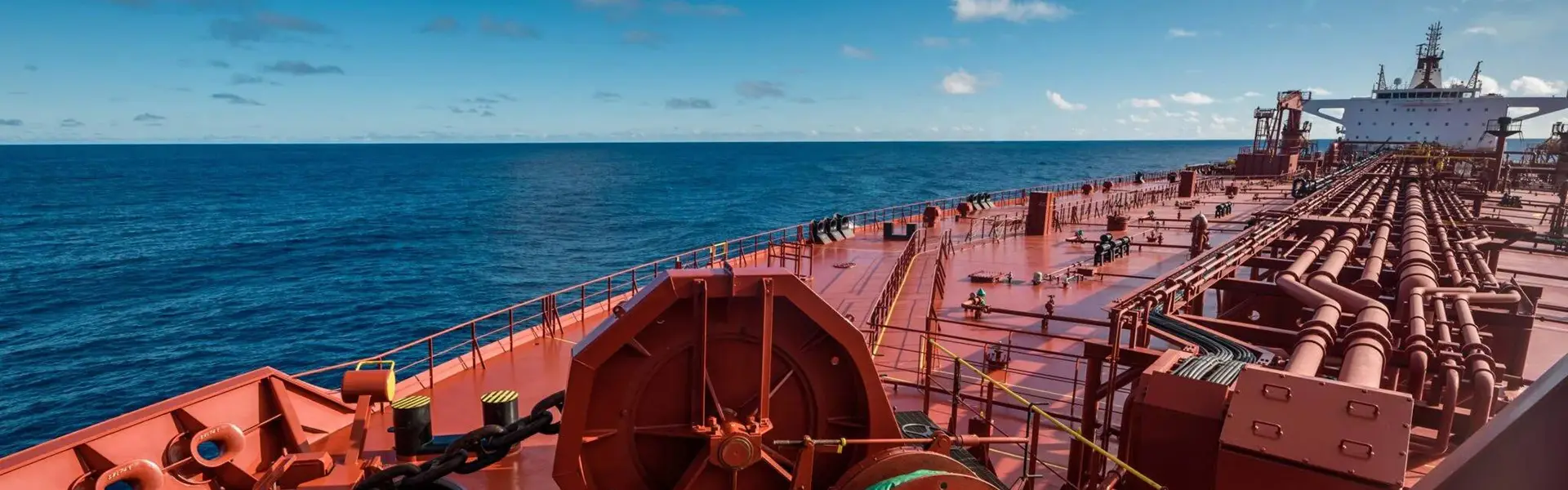
TCS Pipeline Insulation refers to the specialized thermal insulation materials used for pipelines in various industries, including metallurgy, mining, and energy. In these sectors, efficient thermal management is critical to ensure the integrity and performance of piping systems, particularly in marine applications where environmental conditions can be particularly harsh.
One of the primary functions of TCS Pipeline Insulation is to minimize heat loss or gain in pipelines. This is particularly important for fluid transport systems where maintaining a specific temperature range is crucial for the chemical and physical properties of the transported materials. For instance, in the metallurgical industry, maintaining the temperature of molten metals during transit can prevent solidification and ensure optimal processing.
In addition to thermal performance, TCS Pipeline Insulation provides significant energy savings. By reducing the energy required for heating or cooling fluids, companies can achieve lower operational costs over time. This not only enhances profitability but also contributes to a more sustainable operation by lowering overall energy consumption.
Another vital aspect of TCS Pipeline Insulation is its protective role. Insulation helps prevent condensation on the outer surface of pipes, which can lead to corrosion and ultimately compromise the structural integrity of the piping system. By mitigating these risks, TCS insulation extends the lifespan of pipelines and reduces maintenance requirements, allowing for more reliable operations in challenging environments.
When selecting TCS Pipeline Insulation, it is important to consider various factors, including the specific thermal performance required, the environmental conditions, and the potential for exposure to chemicals or physical wear. High-quality insulation materials should be resistant to moisture, chemicals, and temperature fluctuations to ensure long-lasting performance.
Installation practices are also crucial in maximizing the effectiveness of TCS Pipeline Insulation. Properly fitted insulation can prevent gaps that may lead to thermal bridging, which can adversely affect both energy efficiency and pipe protection. Professionals should ensure that installation is carried out according to industry standards to achieve the best results.
In summary, TCS Pipeline Insulation plays a critical role in the metallurgical and energy sectors, particularly for marine piping systems. By providing effective thermal management, energy efficiency, and protection against corrosion, it is a key component for ensuring operational reliability and safety. As professionals in these industries consider their piping solutions, understanding the benefits and applications of TCS Pipeline Insulation will be essential for optimizing performance and sustainability.
One of the primary functions of TCS Pipeline Insulation is to minimize heat loss or gain in pipelines. This is particularly important for fluid transport systems where maintaining a specific temperature range is crucial for the chemical and physical properties of the transported materials. For instance, in the metallurgical industry, maintaining the temperature of molten metals during transit can prevent solidification and ensure optimal processing.
In addition to thermal performance, TCS Pipeline Insulation provides significant energy savings. By reducing the energy required for heating or cooling fluids, companies can achieve lower operational costs over time. This not only enhances profitability but also contributes to a more sustainable operation by lowering overall energy consumption.
Another vital aspect of TCS Pipeline Insulation is its protective role. Insulation helps prevent condensation on the outer surface of pipes, which can lead to corrosion and ultimately compromise the structural integrity of the piping system. By mitigating these risks, TCS insulation extends the lifespan of pipelines and reduces maintenance requirements, allowing for more reliable operations in challenging environments.
When selecting TCS Pipeline Insulation, it is important to consider various factors, including the specific thermal performance required, the environmental conditions, and the potential for exposure to chemicals or physical wear. High-quality insulation materials should be resistant to moisture, chemicals, and temperature fluctuations to ensure long-lasting performance.
Installation practices are also crucial in maximizing the effectiveness of TCS Pipeline Insulation. Properly fitted insulation can prevent gaps that may lead to thermal bridging, which can adversely affect both energy efficiency and pipe protection. Professionals should ensure that installation is carried out according to industry standards to achieve the best results.
In summary, TCS Pipeline Insulation plays a critical role in the metallurgical and energy sectors, particularly for marine piping systems. By providing effective thermal management, energy efficiency, and protection against corrosion, it is a key component for ensuring operational reliability and safety. As professionals in these industries consider their piping solutions, understanding the benefits and applications of TCS Pipeline Insulation will be essential for optimizing performance and sustainability.



GREEN MARINE SOLUTION CO., LTD

488 Xinliu Road, Liuqiao Town, Nantong City, Jiangsu Province, China
Business License