
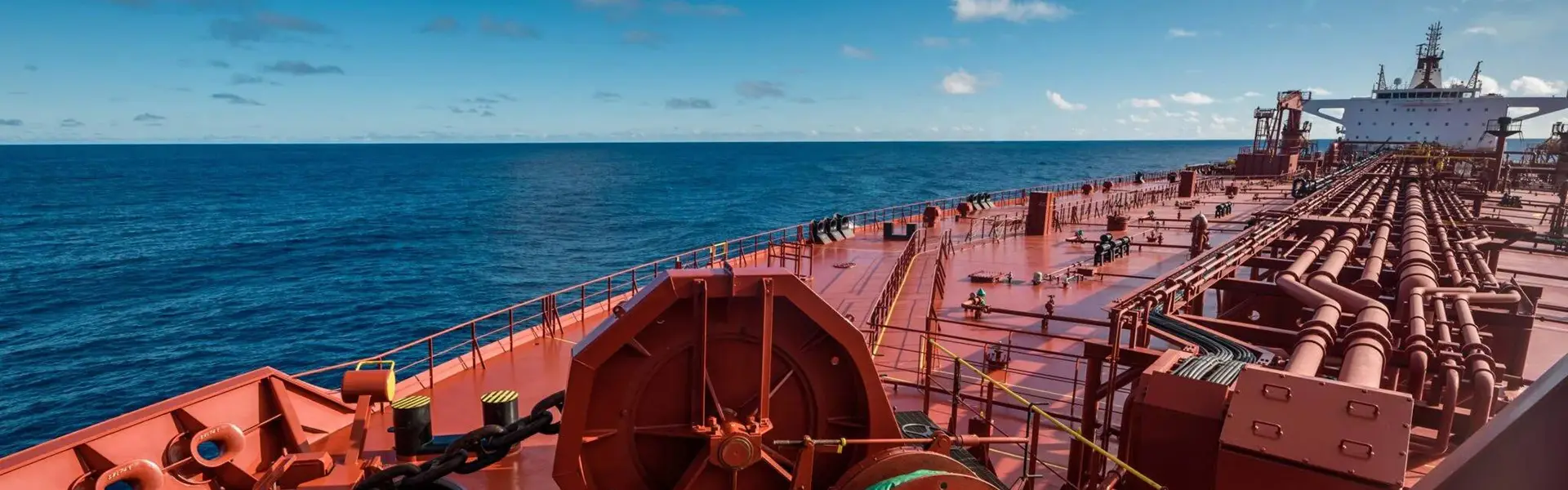
Essential Insights on Marine LNG Pipeline Insulation for Optimal Performance
Apr 15,2026
When it comes to marine LNG (Liquefied Natural Gas) pipelines, insulation plays a critical role in maintaining the integrity and efficiency of the system. Marine LNG is increasingly being used as a cleaner alternative to traditional marine fuels, but this shift requires sophisticated technologies to ensure safety and performance. One of these technologies is effective pipeline insulation, which helps manage the unique challenges presented by the marine environment.
Insulation in marine LNG pipelines primarily serves to reduce heat transfer, which is essential for keeping LNG at its low operating temperatures. LNG is stored at approximately -162°C (-260°F), and any heat ingress can lead to vaporization, resulting in increased pressure and potential safety hazards. Effective insulation minimizes this risk, ensuring that the LNG remains in its liquid state during transit.
Another vital function of insulation in marine LNG pipelines is to prevent condensation and corrosion. In a marine environment, moisture can come into contact with metal surfaces, potentially leading to corrosion over time. By utilizing appropriate insulation materials, operators can create a barrier that reduces moisture accumulation, thereby prolonging the life of the pipeline and ensuring the uninterrupted flow of LNG.
Furthermore, the right insulation can help minimize operational costs. By maintaining the appropriate temperature within the pipeline system, LNG operators can enhance the efficiency of their operations. This efficiency can translate into reduced energy consumption and lower operational costs, making the use of innovative insulation materials a wise investment in the long term.
In summary, marine LNG pipeline insulation is a fundamental component that enhances safety, efficiency, and longevity in maritime applications. As the maritime industry moves towards more sustainable fuel alternatives, ensuring the integrity of LNG systems through effective insulation will be paramount. Understanding the importance of insulation can lead to better decision-making and increased safety in marine operations, ultimately benefiting not only operators but also the environment.
Insulation in marine LNG pipelines primarily serves to reduce heat transfer, which is essential for keeping LNG at its low operating temperatures. LNG is stored at approximately -162°C (-260°F), and any heat ingress can lead to vaporization, resulting in increased pressure and potential safety hazards. Effective insulation minimizes this risk, ensuring that the LNG remains in its liquid state during transit.
Another vital function of insulation in marine LNG pipelines is to prevent condensation and corrosion. In a marine environment, moisture can come into contact with metal surfaces, potentially leading to corrosion over time. By utilizing appropriate insulation materials, operators can create a barrier that reduces moisture accumulation, thereby prolonging the life of the pipeline and ensuring the uninterrupted flow of LNG.
Furthermore, the right insulation can help minimize operational costs. By maintaining the appropriate temperature within the pipeline system, LNG operators can enhance the efficiency of their operations. This efficiency can translate into reduced energy consumption and lower operational costs, making the use of innovative insulation materials a wise investment in the long term.
In summary, marine LNG pipeline insulation is a fundamental component that enhances safety, efficiency, and longevity in maritime applications. As the maritime industry moves towards more sustainable fuel alternatives, ensuring the integrity of LNG systems through effective insulation will be paramount. Understanding the importance of insulation can lead to better decision-making and increased safety in marine operations, ultimately benefiting not only operators but also the environment.



GREEN MARINE SOLUTION CO., LTD

488 Xinliu Road, Liuqiao Town, Nantong City, Jiangsu Province, China
Business License