
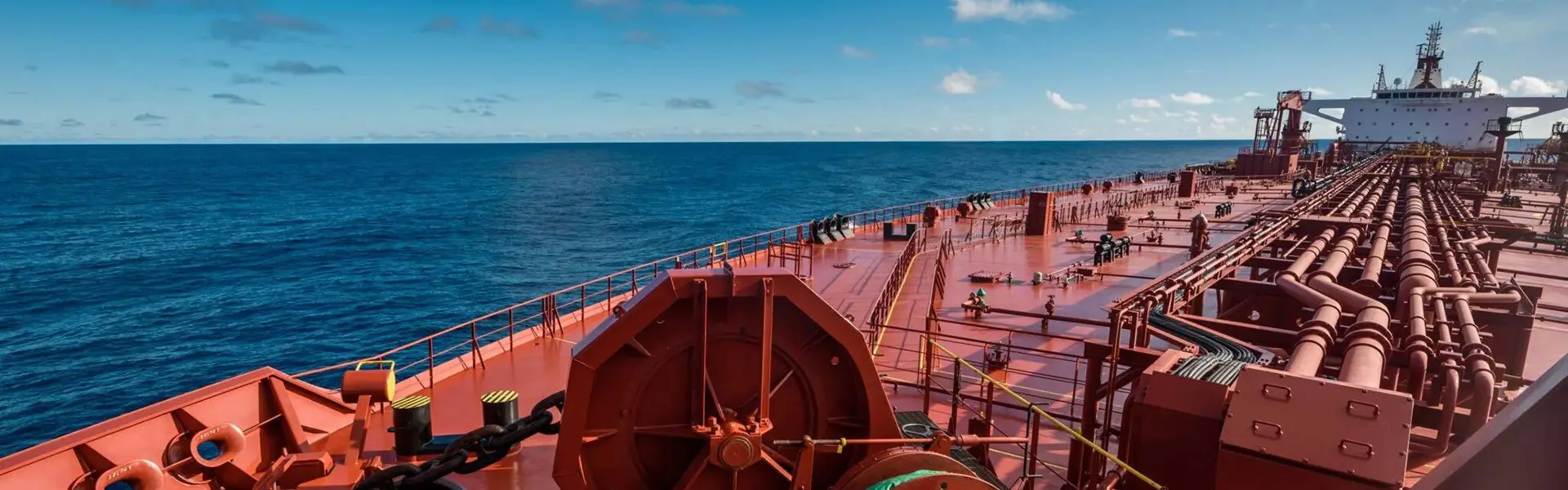
The Role of Inert Gas Generators in Shipyard Pipe Safety: Essential Maintenance Insights for Optimal Operation
Dec 09,2025
The Role of Inert Gas Generators in Shipyard Pipe Safety: Maintenance Insights
Table of Contents
- 1. Introduction to Inert Gas Generators and Their Importance
- 2. Understanding Inert Gas Generators
- 3. The Significance of IGGs in Shipyard Pipe Safety
- 4. Challenges in Maintaining Inert Gas Generators
- 5. Best Practices for Maintaining Inert Gas Generators
- 6. Compliance with Industry Regulations
- 7. The Future of Inert Gas Generator Technology
- 8. FAQs on Inert Gas Generators
- 9. Conclusion
1. Introduction to Inert Gas Generators and Their Importance
In the maritime sector, safety is paramount, particularly in shipyards where pipe systems often face significant risks. The introduction of **Inert Gas Generators (IGGs)** has transformed how shipyards maintain safety standards. By effectively displacing hazardous gases and preventing the formation of explosive atmospheres, IGGs play a crucial role in safeguarding both personnel and equipment.
As we delve into the intricacies of IGGs, understanding their purpose and functionality is essential for shipyard managers and maintenance teams. This article provides comprehensive insights into the operational benefits of IGGs and highlights key maintenance practices to ensure their effective performance.
2. Understanding Inert Gas Generators
Inert Gas Generators are integral components in various industries, particularly maritime operations. Their primary function is to generate an inert gas that displaces oxygen and prevents combustion in confined spaces.
2.1 Types of Inert Gas Generators
There are several types of Inert Gas Generators utilized in shipyards, each designed to cater to specific operational needs. The most common types include:
- **Flue Gas Inert Gas Generators**: These systems utilize flue gas from the ship's main engine, treating it to remove contaminants before using it as an inert gas.
- **Steam Inert Gas Generators**: These generate inert gas through the combustion of fuel, using steam to cool and purify the resulting gases.
- **Chemical Inert Gas Generators**: Utilizing chemicals, these generators produce inert gases through specific reactions, ideal for smaller applications.
Each type has its own advantages, and selecting the appropriate system depends on the shipyard's operational requirements.
2.2 How Inert Gas Generators Work
Inert Gas Generators operate by introducing a gas mixture that is deficient in oxygen. The process begins with the intake of air, which is then treated to remove moisture and other contaminants. The resulting inert gas is pumped into the pipe systems, effectively reducing the oxygen concentration within the confined spaces, thus preventing the risk of explosions or fire hazards.
Understanding the operational mechanics of IGGs is fundamental for maintaining their efficiency and ensuring safety protocols are met consistently.
3. The Significance of IGGs in Shipyard Pipe Safety
The deployment of Inert Gas Generators in shipyards is vital for enhancing pipe safety. By minimizing the potential for flammable atmospheres, IGGs help to:
- **Enhance Safety Protocols**: The presence of an IGG system allows for safer working conditions, significantly reducing the risk of fire and explosions.
- **Increase Operational Efficiency**: With the risk factor lowered, shipyard operations can proceed without the constant threat of hazardous incidents, thereby increasing productivity.
- **Protect Equipment and Personnel**: The use of IGGs protects both employees and equipment from fire-related damage, leading to lower insurance costs and reduced liability issues.
Overall, the significance of IGGs cannot be overstated when it comes to ensuring a safe working environment in shipyards.
4. Challenges in Maintaining Inert Gas Generators
While IGGs offer numerous benefits, maintaining these systems presents challenges that cannot be overlooked. Common issues include:
- **Technical Failures**: Mechanical malfunctions can lead to the failure of the IGG system, necessitating immediate attention to avoid safety breaches.
- **Corrosion and Contamination**: Over time, IGGs may suffer from corrosion or contamination, which can affect their efficiency and effectiveness.
- **Training Requirements**: Personnel must be adequately trained to operate and maintain IGG systems, which can be a barrier if training programs are insufficient.
Recognizing these challenges is essential for implementing effective maintenance strategies.
5. Best Practices for Maintaining Inert Gas Generators
To ensure the optimal functioning of Inert Gas Generators, shipyards must adopt best maintenance practices. These include:
5.1 Regular Inspections
Conducting regular inspections of IGGs is vital. This includes checking for leaks, assessing the integrity of the piping systems, and ensuring that all components are functioning as intended. Documenting these inspections can help track performance over time and identify potential issues before they escalate.
5.2 Cleaning Procedures
Implementing regular cleaning protocols for IGGs is crucial. This involves removing any buildup of contaminants that could hinder performance. Proper cleaning ensures that the inert gas produced is of high quality, further enhancing safety measures.
5.3 Monitoring Systems
Advanced monitoring systems can help shipyards maintain an effective oversight of IGGs. These systems can provide real-time data on gas compositions, pressure levels, and overall system performance. By utilizing technology for monitoring, shipyards can proactively address any discrepancies before they lead to safety hazards.
6. Compliance with Industry Regulations
Compliance with industry regulations is essential in maintaining safety standards in shipyards. Various regulatory bodies outline strict guidelines for the operation and maintenance of Inert Gas Generators. Familiarizing oneself with these regulations not only ensures compliance but also promotes a culture of safety within the organization.
Regular training sessions that highlight these regulations can empower personnel and reinforce the importance of adhering to safety protocols in shipyard operations.
7. The Future of Inert Gas Generator Technology
As technology evolves, so does the design and efficiency of Inert Gas Generators. Future trends may include:
- **Enhanced Automation**: Increased automation in IGG systems could lead to improved performance and reduced human error.
- **Integration with Digital Systems**: The integration of IGGs with digital monitoring systems allows for real-time analytics, leading to smarter maintenance and operational decision-making.
- **Sustainability Initiatives**: As environmental concerns grow, the development of greener IGG technologies will likely gain traction, focusing on reducing emissions and energy consumption.
Keeping an eye on these advancements will be crucial for shipyards looking to enhance safety and efficiency.
8. FAQs on Inert Gas Generators
What is an Inert Gas Generator?
An Inert Gas Generator is a system designed to produce an inert gas that displaces oxygen in confined spaces, thereby preventing combustion and enhancing safety in environments such as shipyards.
How often should Inert Gas Generators be maintained?
Regular maintenance checks are recommended at least once a month, with more comprehensive inspections taking place quarterly or biannually, depending on the operational context.
What are the common types of Inert Gas Generators?
The most common types include Flue Gas Inert Gas Generators, Steam Inert Gas Generators, and Chemical Inert Gas Generators, each serving different operational needs.
How does an Inert Gas Generator work?
IGGs work by treating air to remove contaminants and moisture, then producing an inert gas mixture that reduces oxygen concentration within confined spaces, thus preventing fire hazards.
What are the challenges faced in maintaining Inert Gas Generators?
Maintenance challenges include technical failures, corrosion, contamination, and the need for adequate training for personnel operating the systems.
9. Conclusion
Inert Gas Generators are indispensable tools in maintaining safety within shipyards, particularly concerning pipe safety. Their ability to mitigate risks associated with explosive atmospheres is critical for protecting personnel and equipment. By adopting best practices for maintenance and staying compliant with industry regulations, shipyards can ensure the longevity and efficiency of their IGG systems.
The future of IGG technology promises advancements that will further enhance safety measures in maritime operations. Embracing these changes is not just beneficial; it is essential for the continued success and safety of shipyard operations.
PREVIOUS:



GREEN MARINE SOLUTION CO., LTD

488 Xinliu Road, Liuqiao Town, Nantong City, Jiangsu Province, China
Business License