
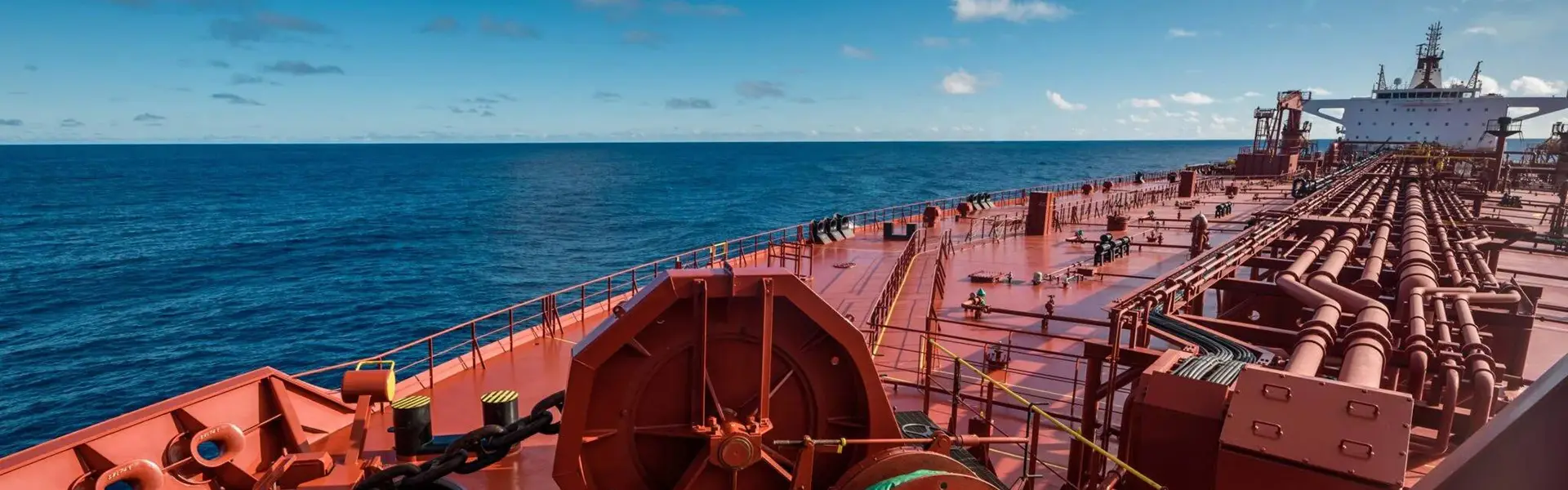
The Impact of Marine LNG Pipeline Insulation on Environmental Sustainability
Nov 21,2025
The Impact of Marine LNG Pipeline Insulation on Environmental Sustainability
Table of Contents
- Introduction to Marine LNG Pipeline Insulation
- What is LNG and Its Role in Energy Sustainability?
- The Importance of Insulation in Marine LNG Pipelines
- Environmental Impact of Marine LNG Pipeline Insulation
- Technological Advancements in Pipeline Insulation
- Case Studies: Successful Implementation of Insulation Technologies
- Challenges in Insulating Marine LNG Pipelines
- Future Outlook for Marine LNG Pipeline Insulation
- Frequently Asked Questions
- Conclusion
Introduction to Marine LNG Pipeline Insulation
The maritime industry has increasingly turned to liquefied natural gas (LNG) as a cleaner alternative to traditional fossil fuels. However, the transportation of LNG, especially through marine pipelines, presents unique challenges that require innovative solutions. One of the most critical aspects of ensuring the efficiency and sustainability of these pipelines is the insulation technology employed. Effective insulation not only safeguards the integrity of LNG during transit but also plays a significant role in environmental conservation. This article examines the impact of marine LNG pipeline insulation on environmental sustainability, highlighting its benefits, challenges, and future prospects.
What is LNG and Its Role in Energy Sustainability?
Liquefied natural gas (LNG) is natural gas that has been cooled to a liquid state at approximately -162 degrees Celsius (-260 degrees Fahrenheit). This process reduces its volume significantly, making it easier and more economical to transport, particularly over long distances where pipelines are not feasible. LNG is considered a "bridge fuel" in the transition to renewable energy sources due to its relatively lower carbon emissions compared to coal and oil.
**LNG's Contribution to Environmental Sustainability**
LNG contributes to environmental sustainability by significantly reducing greenhouse gas emissions when burned compared to other fossil fuels. It also produces fewer pollutants, such as sulfur dioxide (SO2) and particulate matter, which are detrimental to air quality and public health. By transitioning to LNG, the maritime industry can reduce its carbon footprint, contributing to global efforts to combat climate change.
The Importance of Insulation in Marine LNG Pipelines
Insulation is a crucial component in the design and operation of marine LNG pipelines. Proper insulation serves multiple purposes:
- **Temperature Maintenance**: Insulation helps maintain the low temperatures required to keep LNG in its liquid state, preventing vaporization and pressure buildup within the pipeline.
- **Energy Efficiency**: By minimizing heat loss, insulation improves the overall energy efficiency of the transportation process, leading to less energy consumption and lower operational costs.
- **Safety Assurance**: Effective insulation reduces the risk of accidents related to temperature fluctuations, such as thermal expansion and contraction, which can lead to pipeline failures.
**Enhancing Operational Efficiency**
The implementation of advanced insulation materials can substantially enhance the operational efficiency of LNG pipelines. These materials are designed to withstand harsh marine environments, ensuring that the insulation remains effective throughout the pipeline's lifespan.
Environmental Impact of Marine LNG Pipeline Insulation
The insulation of marine LNG pipelines has a profound environmental impact, contributing positively to sustainability efforts in several ways:
- **Reduction in Emissions**: Insulated LNG pipelines minimize the potential for methane leaks, a potent greenhouse gas. By effectively containing LNG during transportation, insulation reduces the likelihood of environmental contamination.
- **Lower Energy Consumption**: Enhanced insulation leads to better energy management, which translates to lower overall energy use in LNG transportation. This reduction in energy consumption contributes to decreased carbon emissions from the entire supply chain.
- **Resource Conservation**: Properly insulated pipelines require less frequent repairs and maintenance, leading to lower resource consumption over time. This aspect is crucial for promoting sustainability in the energy sector.
**Fostering Ecosystem Protection**
By minimizing the risk of leaks and reducing the energy footprint of LNG transportation, effective insulation contributes to the protection of marine ecosystems, helping to preserve biodiversity and reduce the impact of human activities on ocean environments.
Technological Advancements in Pipeline Insulation
Recent years have seen significant advancements in insulation technologies used in marine LNG pipelines. These innovations have improved the performance and sustainability of LNG transportation.
**Advanced Insulation Materials**
Modern insulation materials, such as aerogel and vacuum insulation panels (VIPs), offer superior thermal resistance compared to traditional materials. These advanced options provide excellent insulation performance while being lightweight and durable, making them ideal for marine applications.
**Smart Insulation Solutions**
The integration of smart technologies into insulation systems allows for real-time monitoring of temperature and pressure conditions within LNG pipelines. This capability enhances safety and operational efficiency by enabling early detection of potential issues.
**Eco-Friendly Materials**
As sustainability becomes a priority, manufacturers are increasingly exploring eco-friendly insulation materials. These materials not only provide excellent insulation properties but also have a reduced environmental impact in their production and disposal.
Case Studies: Successful Implementation of Insulation Technologies
Several case studies highlight the successful implementation of advanced insulation technologies in marine LNG pipelines, showcasing their benefits in real-world applications.
**Case Study 1: North Sea LNG Project**
In a recent North Sea LNG project, advanced VIP insulation was used to enhance pipeline thermal performance. This technology led to a significant reduction in LNG boil-off gas (BOG), resulting in improved operational efficiency and reduced emissions.
**Case Study 2: Asia-Pacific LNG Transportation**
An Asia-Pacific LNG transportation project deployed aerogel insulation in its pipeline systems. The lightweight material not only reduced overall pipeline weight but also improved thermal efficiency, leading to lower energy consumption and operational costs.
**Case Study 3: Mediterranean LNG Terminal**
A Mediterranean LNG terminal implemented smart insulation solutions that allowed for real-time monitoring of temperature fluctuations. This innovation enabled proactive maintenance, reducing the risk of leaks and ensuring environmental safety.
Challenges in Insulating Marine LNG Pipelines
Despite the advancements in insulation technology, several challenges remain in the effective insulation of marine LNG pipelines.
**Cost Implications**
The initial investment for advanced insulation materials can be significant. However, the long-term savings achieved through improved energy efficiency and reduced maintenance costs often justify the expense.
**Environmental Conditions**
Marine environments present unique challenges, including corrosion and exposure to saltwater. Ensuring that insulation materials are durable enough to withstand these conditions is crucial for maintaining pipeline integrity.
**Regulatory Compliance**
Navigating the regulatory landscape can be complex, as various international and national standards govern LNG transportation. Adhering to these regulations while implementing new insulation technologies can pose challenges for operators.
Future Outlook for Marine LNG Pipeline Insulation
The demand for sustainable energy solutions continues to rise, indicating a promising future for marine LNG pipeline insulation technologies.
**Continued Innovation**
Ongoing research and development in insulation materials and technologies are anticipated to yield even more effective solutions, further enhancing the sustainability of the maritime LNG sector.
**Global Collaboration**
International collaborations among governments, industry players, and research institutions will foster the sharing of knowledge and best practices, leading to more efficient and sustainable LNG transportation systems worldwide.
**Integration with Renewable Energy**
As the energy landscape evolves, integrating LNG transportation with renewable energy sources may become increasingly common. Advanced insulation technologies will play a pivotal role in facilitating this transition, ensuring that LNG remains a viable and sustainable energy option.
Frequently Asked Questions
1. What is the primary benefit of insulating marine LNG pipelines?
The primary benefit of insulating marine LNG pipelines is the maintenance of low temperatures required to keep LNG in its liquid state, which enhances energy efficiency and reduces greenhouse gas emissions.
2. How does LNG compare to other fossil fuels in terms of environmental impact?
LNG has a lower carbon footprint compared to coal and oil, producing significantly fewer emissions and pollutants when burned, making it a cleaner alternative.
3. What advanced materials are used in LNG pipeline insulation?
Advanced materials such as aerogel and vacuum insulation panels (VIPs) are used in LNG pipeline insulation due to their superior thermal resistance and lightweight properties.
4. Are there any challenges associated with LNG pipeline insulation?
Yes, challenges include high initial costs, environmental conditions that can affect material durability, and navigating complex regulatory compliance.
5. What is the future outlook for marine LNG pipeline insulation technologies?
The future outlook is promising, with ongoing innovation, global collaboration, and the potential integration of LNG transportation with renewable energy sources leading to enhanced sustainability in the industry.
Conclusion
The impact of marine LNG pipeline insulation on environmental sustainability cannot be overstated. Through advanced insulation technologies, the maritime industry can significantly reduce its carbon footprint, enhance energy efficiency, and promote the preservation of marine ecosystems. As we look to the future, continued innovation and collaboration will be essential to further improve the sustainability of LNG transportation, ensuring that it remains a viable energy source in the transition to a cleaner energy landscape. The ongoing advancements in insulation technology will play a pivotal role in shaping the future of the maritime energy sector, positioning it for success in an increasingly environmentally conscious world.
PREVIOUS:



GREEN MARINE SOLUTION CO., LTD

488 Xinliu Road, Liuqiao Town, Nantong City, Jiangsu Province, China
Business License