
Understanding TCS Pipeline Insulation: Enhancing Efficiency and Safety in Marine Applications
Nov 12,2025
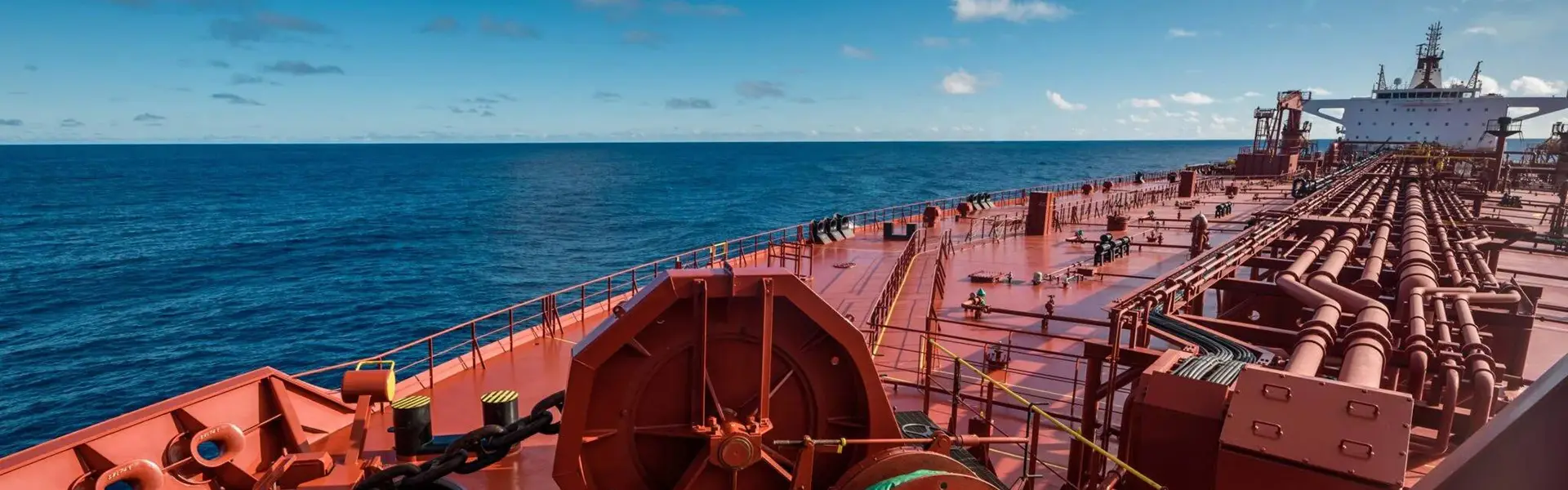
In the metallurgy, mining, and energy industries, particularly in marine applications, TCS Pipeline Insulation plays a critical role in improving operational efficiency and ensuring safety. TCS, which stands for Thermal Conductive System, is designed to provide excellent thermal insulation, which is essential for maintaining optimal temperatures in pipelines that transport various substances, from water to hydrocarbons.
One of the primary benefits of TCS Pipeline Insulation is its ability to minimize heat loss. In marine environments where temperatures can fluctuate, maintaining the desired temperature within piping systems is crucial. Insulation helps in retaining heat, preventing condensation, and reducing energy consumption. This is especially important for systems that require precise thermal regulation, such as those used in LNG (Liquefied Natural Gas) transport, where maintaining low temperatures is vital to keeping the gas in liquid form.
Moreover, TCS Pipeline Insulation enhances the longevity of pipeline systems. By protecting pipes from thermal stress, moisture, and external environmental factors, the insulation serves as a barrier against corrosion and wear, reducing maintenance costs over time. This durability is particularly beneficial in maritime settings, where exposure to saltwater and harsh weather conditions can significantly impact the integrity of piping systems.
In addition to thermal regulation and protection, TCS Pipeline Insulation contributes to safety. Insulated pipelines are less likely to experience hazardous situations such as condensation buildup, which can lead to slips and falls on deck or in work areas. Furthermore, maintaining stable temperatures reduces the risk of material failures that could lead to leaks or spills, posing severe risks to both personnel and the environment.
When selecting insulation for marine pipelines, it is essential to consider various factors, including thermal resistance, moisture permeability, and compatibility with the transported materials. TCS Pipeline Insulation materials are engineered to meet these criteria, providing optimal performance under challenging conditions. Additionally, their lightweight properties can lead to easier installation and reduced structural load on ships and platforms.
In conclusion, TCS Pipeline Insulation is a vital component in the metallurgy, mining, and energy industries, particularly for marine applications. Its ability to reduce heat loss, protect against corrosion, and enhance safety makes it an indispensable choice for professionals in the field. By investing in high-quality insulation solutions, companies can ensure efficient, safe, and sustainable operations in their pipeline systems.
One of the primary benefits of TCS Pipeline Insulation is its ability to minimize heat loss. In marine environments where temperatures can fluctuate, maintaining the desired temperature within piping systems is crucial. Insulation helps in retaining heat, preventing condensation, and reducing energy consumption. This is especially important for systems that require precise thermal regulation, such as those used in LNG (Liquefied Natural Gas) transport, where maintaining low temperatures is vital to keeping the gas in liquid form.
Moreover, TCS Pipeline Insulation enhances the longevity of pipeline systems. By protecting pipes from thermal stress, moisture, and external environmental factors, the insulation serves as a barrier against corrosion and wear, reducing maintenance costs over time. This durability is particularly beneficial in maritime settings, where exposure to saltwater and harsh weather conditions can significantly impact the integrity of piping systems.
In addition to thermal regulation and protection, TCS Pipeline Insulation contributes to safety. Insulated pipelines are less likely to experience hazardous situations such as condensation buildup, which can lead to slips and falls on deck or in work areas. Furthermore, maintaining stable temperatures reduces the risk of material failures that could lead to leaks or spills, posing severe risks to both personnel and the environment.
When selecting insulation for marine pipelines, it is essential to consider various factors, including thermal resistance, moisture permeability, and compatibility with the transported materials. TCS Pipeline Insulation materials are engineered to meet these criteria, providing optimal performance under challenging conditions. Additionally, their lightweight properties can lead to easier installation and reduced structural load on ships and platforms.
In conclusion, TCS Pipeline Insulation is a vital component in the metallurgy, mining, and energy industries, particularly for marine applications. Its ability to reduce heat loss, protect against corrosion, and enhance safety makes it an indispensable choice for professionals in the field. By investing in high-quality insulation solutions, companies can ensure efficient, safe, and sustainable operations in their pipeline systems.



GREEN MARINE SOLUTION CO., LTD

488 Xinliu Road, Liuqiao Town, Nantong City, Jiangsu Province, China
Business License