
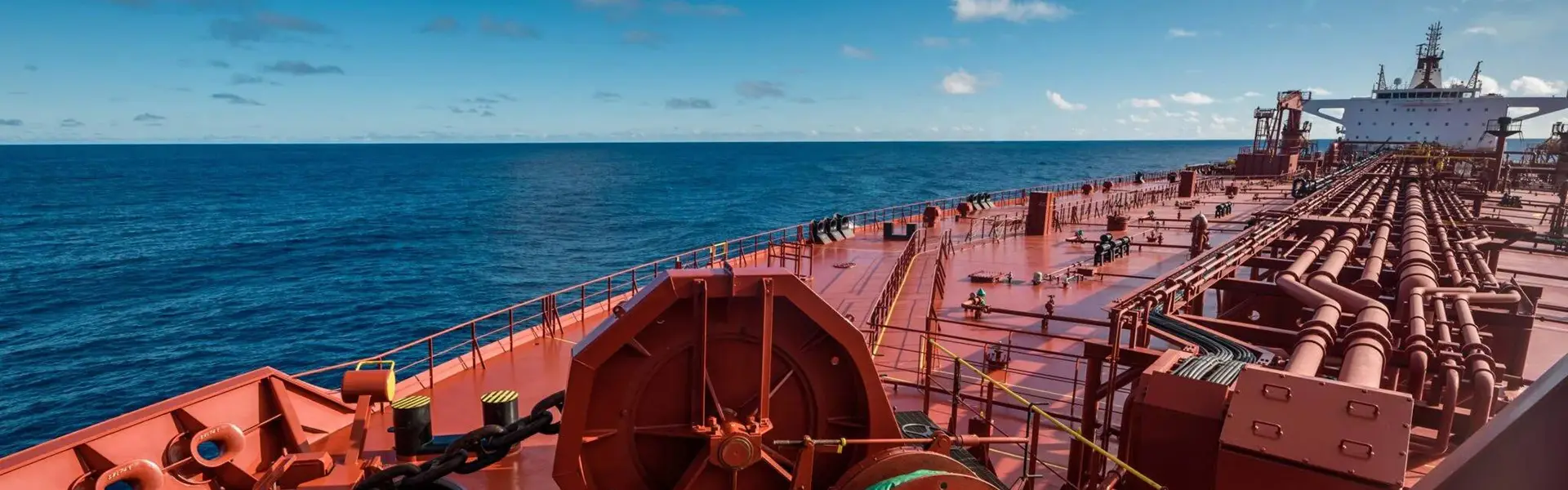
Understanding LNG FGSS Insulation Materials: A Key Component in Maritime Pipe Systems
Sep 19,2025
In the maritime industry, particularly within the scope of metallurgy, minerals, and energy, the efficient transportation and storage of liquefied natural gas (LNG) is paramount. One crucial aspect of this process is the utilization of LNG FGSS (Fuel Gas Supply System) insulation materials, which play a significant role in maintaining the integrity and safety of LNG piping systems.
LNG FGSS insulation materials are designed to minimize the heat transfer between the LNG and the surrounding environment. This is vital, as LNG exists at extremely low temperatures, typically around -162°C (-260°F). If the temperature of the LNG were to rise due to external heat sources, it could lead to increased vaporization and pressure, potentially resulting in dangerous situations. Therefore, effective insulation is essential not only for operational efficiency but also for safety.
These insulation materials are characterized by their exceptional thermal resistance, lightweight properties, and chemical stability. They are often composed of advanced composites that enable them to withstand the demanding conditions found in maritime environments, including exposure to saltwater and various chemicals. The use of LNG FGSS insulation materials helps to ensure that the LNG remains in a liquid state throughout its journey, thereby maximizing the energy efficiency of the system.
Furthermore, the insulation materials contribute to the overall performance of the LNG FGSS by protecting the pipes and associated components from thermal stress and potential damage. This longevity and durability reduce maintenance needs and contribute to the overall reliability of maritime operations.
In addition to their thermal and structural benefits, LNG FGSS insulation materials also play a role in enhancing the environmental aspects of LNG transport. By minimizing LNG vaporization, these materials indirectly reduce greenhouse gas emissions. This is increasingly important in an industry that is striving to meet stringent environmental regulations while maintaining operational efficiency.
Moreover, the installation and application of LNG FGSS insulation materials require a thorough understanding of various engineering principles. Professionals in the metallurgy, minerals, and energy sectors must ensure that these materials are appropriately selected and applied according to the specific requirements of the piping systems in use.
In summary, LNG FGSS insulation materials are a fundamental component in maritime piping systems designed for the transportation and storage of liquefied natural gas. Their unique properties and benefits not only enhance safety and efficiency but also contribute to environmental sustainability. As the demand for LNG increases, understanding the role and application of these insulation materials will be crucial for professionals in the industry.
LNG FGSS insulation materials are designed to minimize the heat transfer between the LNG and the surrounding environment. This is vital, as LNG exists at extremely low temperatures, typically around -162°C (-260°F). If the temperature of the LNG were to rise due to external heat sources, it could lead to increased vaporization and pressure, potentially resulting in dangerous situations. Therefore, effective insulation is essential not only for operational efficiency but also for safety.
These insulation materials are characterized by their exceptional thermal resistance, lightweight properties, and chemical stability. They are often composed of advanced composites that enable them to withstand the demanding conditions found in maritime environments, including exposure to saltwater and various chemicals. The use of LNG FGSS insulation materials helps to ensure that the LNG remains in a liquid state throughout its journey, thereby maximizing the energy efficiency of the system.
Furthermore, the insulation materials contribute to the overall performance of the LNG FGSS by protecting the pipes and associated components from thermal stress and potential damage. This longevity and durability reduce maintenance needs and contribute to the overall reliability of maritime operations.
In addition to their thermal and structural benefits, LNG FGSS insulation materials also play a role in enhancing the environmental aspects of LNG transport. By minimizing LNG vaporization, these materials indirectly reduce greenhouse gas emissions. This is increasingly important in an industry that is striving to meet stringent environmental regulations while maintaining operational efficiency.
Moreover, the installation and application of LNG FGSS insulation materials require a thorough understanding of various engineering principles. Professionals in the metallurgy, minerals, and energy sectors must ensure that these materials are appropriately selected and applied according to the specific requirements of the piping systems in use.
In summary, LNG FGSS insulation materials are a fundamental component in maritime piping systems designed for the transportation and storage of liquefied natural gas. Their unique properties and benefits not only enhance safety and efficiency but also contribute to environmental sustainability. As the demand for LNG increases, understanding the role and application of these insulation materials will be crucial for professionals in the industry.



GREEN MARINE SOLUTION CO., LTD

488 Xinliu Road, Liuqiao Town, Nantong City, Jiangsu Province, China
Business License