
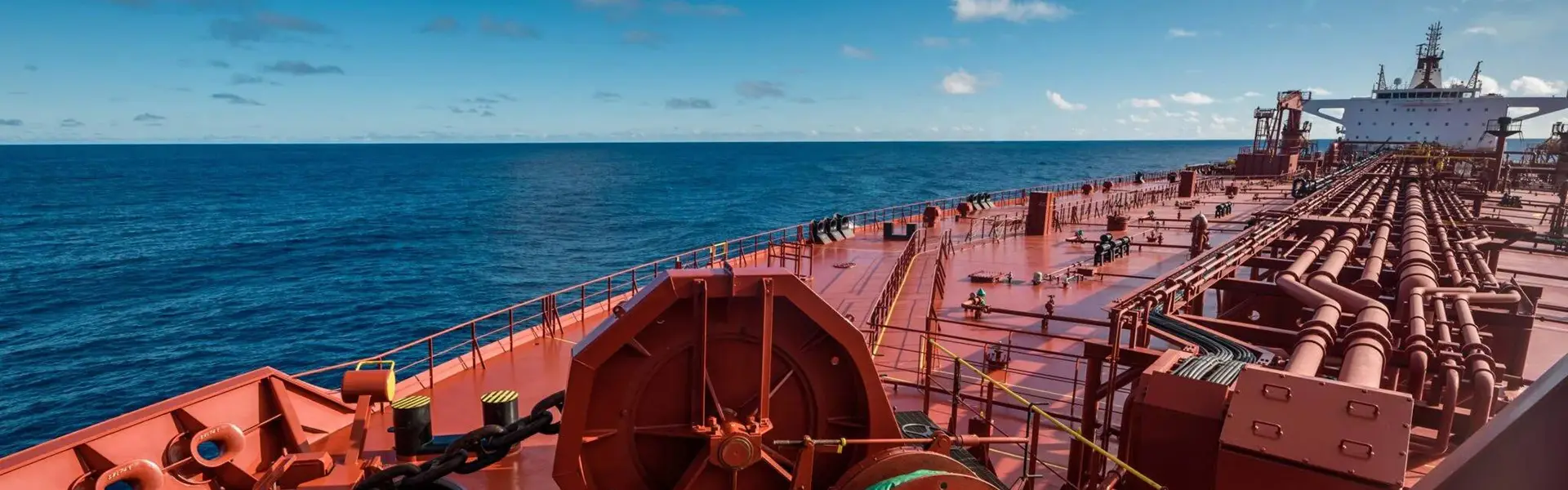
Ensuring Safety at Sea: The Critical Role of Inert Gas Generators on Ships
Jul 18,2025
Ensuring Safety at Sea: The Critical Role of Inert Gas Generators on Ships
Table of Contents
- Introduction to Inert Gas Generators
- What Are Inert Gas Generators?
- The Importance of Inert Gas in Maritime Safety
- How Inert Gas Generators Operate
- Applications of Inert Gas Systems on Ships
- Regulatory Compliance and Standards
- Challenges in the Implementation of Inert Gas Systems
- The Future of Inert Gas Technology in Maritime
- Conclusion
- FAQs
Introduction to Inert Gas Generators
In the hazardous environment of maritime operations, ensuring safety is paramount. One of the key components in safeguarding ships, crew, and cargo is the use of **inert gas generators**. These systems are designed to produce an inert gas, typically nitrogen, which is utilized to displace oxygen and reduce the risk of fire and explosion in various onboard scenarios.
What Are Inert Gas Generators?
Inert gas generators (IGGs) are specialized systems installed on ships to create and supply inert gas. This gas is vital for maintaining a safe atmosphere within cargo tanks, especially those carrying flammable materials such as oil and chemicals. By lowering the oxygen concentration, inert gas generators help prevent combustion, thereby significantly enhancing safety at sea.
Components of Inert Gas Generators
The primary components of an inert gas generator include:
- **Combustion Chamber:** Here, fuel and air are mixed and ignited, producing hot gases.
- **Heat Exchanger:** This component cools the hot gases while also recovering energy.
- **Scrubber:** This removes harmful pollutants from the gas before it is released.
- **Blower:** It ensures a constant flow of inert gas into the designated areas.
The Importance of Inert Gas in Maritime Safety
Inert gas systems are critical for a myriad of reasons, particularly concerning fire safety and environmental protection. The significance of these systems cannot be overstated, especially in the following areas:
1. Fire Prevention
One of the predominant roles of inert gas generators is to mitigate fire risks. By reducing the oxygen levels in cargo holds, these systems make it exceedingly difficult for fires to ignite, thus protecting both the vessel and its crew.
2. Protection of Crew and Cargo
Maintaining a safe environment for both crew members and cargo is essential. Inert gas systems not only prevent fires but also protect against potential explosions that could arise from flammable vapors in the cargo areas. The safety of personnel onboard is significantly enhanced through the effective use of IGGs.
3. Environmental Compliance
Inert gas generators play an important role in helping vessels comply with international maritime regulations, including MARPOL Annex II, which governs the discharge of pollutants into the marine environment. By utilizing these systems, ships can significantly lower their environmental impact.
How Inert Gas Generators Operate
The operation of inert gas generators is an intricate process that involves several steps to ensure the effective generation and delivery of inert gas.
1. Generation of Inert Gas
The process begins with the combustion of a fuel source, typically heavy oil, which reacts with air. This reaction produces hot combustion gases primarily composed of carbon dioxide and water vapor.
2. Cooling and Cleaning
These hot gases are then cooled and passed through a scrubber, which removes impurities and unwanted pollutants. The result is a clean, inert gas that is ready for use.
3. Distribution of Inert Gas
The cleaned inert gas is then distributed throughout the ship's cargo areas, ensuring that all spaces are adequately protected from potential combustion. The system is designed to maintain consistent pressure and flow rates, adapting to the varying needs of the vessel.
Applications of Inert Gas Systems on Ships
Inert gas systems are versatile and can be applied in various areas:
1. Cargo Holds
The primary application of inert gas generators is in the cargo holds of tankers and bulk carriers. By creating an inert atmosphere, the risk of fire and explosion is minimized during loading, transit, and unloading of cargo.
2. Ballast Tanks
Inert gas systems are also employed in ballast tanks to prevent the accumulation of flammable gases. This application is crucial for maintaining stability and ensuring the safety of the vessel.
3. Engine Rooms
In addition to cargo areas, inert gas generators can be used in engine rooms to protect against potential ignition sources that may arise from fuel leaks or mechanical failures.
Regulatory Compliance and Standards
Compliance with maritime regulations is non-negotiable for shipowners and operators. Inert gas systems must adhere to stringent international standards, including:
1. SOLAS Regulations
The International Convention for the Safety of Life at Sea (SOLAS) mandates that all oil tankers over a certain size must be equipped with inert gas systems. Compliance with these regulations is crucial for maintaining safety and avoiding penalties.
2. Classification Society Standards
Various classification societies, such as DNV GL, Lloyd's Register, and ABS, provide guidelines for the design and installation of inert gas systems. Compliance with these standards not only ensures safety but also enhances the ship's marketability.
Challenges in the Implementation of Inert Gas Systems
While the benefits of inert gas generators are evident, several challenges exist in their implementation:
1. Initial Cost and Maintenance
The installation of inert gas systems can be costly, and ongoing maintenance is required to ensure their proper functioning. This can be a barrier for some shipowners, particularly those operating older vessels.
2. Training and Competency
Crew members must receive adequate training to operate and maintain inert gas systems effectively. Ensuring that personnel are knowledgeable about these systems is crucial for maximizing safety.
3. Space Constraints
Inert gas generators require space for installation, which can be a challenge on smaller vessels. Ship designers must carefully consider the arrangement of these systems to ensure compliance without sacrificing cargo space or operational efficiency.
The Future of Inert Gas Technology in Maritime
As the maritime industry continues to evolve, so too will the technologies employed to ensure safety at sea. The future of inert gas systems may include:
1. Improved Efficiency
Advancements in technology will likely lead to more efficient inert gas generators that require less fuel and maintenance, thereby reducing operational costs for shipowners.
2. Integration with Automation
The integration of inert gas systems with automated monitoring and control systems will enhance their functionality, allowing for real-time adjustments based on current conditions onboard.
3. Enhanced Environmental Protection
Future systems may focus even more on environmental sustainability, utilizing cleaner technologies and materials to further lessen the impact of shipping on marine ecosystems.
Conclusion
Inert gas generators play a critical role in ensuring safety at sea by providing a reliable means of preventing fires and explosions on ships. Their importance cannot be overstated, especially in an industry where the stakes are incredibly high. As shipowners and operators navigate the complexities of maritime regulations and strive to protect their crews and cargo, investing in inert gas technology is not just a regulatory requirement but a fundamental aspect of modern maritime safety.
FAQs
1. What is the primary function of an inert gas generator?
The primary function of an inert gas generator is to produce inert gas, typically nitrogen, to reduce the oxygen concentration in cargo areas, preventing the risk of fire and explosion.
2. Are inert gas systems mandatory on all ships?
No, inert gas systems are mandated primarily for oil tankers and certain other types of vessels under SOLAS regulations, but many ships choose to install them for added safety.
3. How often should inert gas systems be maintained?
Maintenance schedules for inert gas systems can vary, but they should be inspected regularly to ensure they function correctly, ideally in accordance with manufacturer recommendations and regulatory guidelines.
4. Can inert gas systems be retrofitted to older ships?
Yes, inert gas systems can be retrofitted to older ships, though this may involve significant modifications to the vessel's design to accommodate the new equipment.
5. What are the environmental benefits of using inert gas generators?
Inert gas generators help protect the marine environment by preventing the release of flammable vapors and reducing the risk of pollution during the transport of hazardous materials.



GREEN MARINE SOLUTION CO., LTD

488 Xinliu Road, Liuqiao Town, Nantong City, Jiangsu Province, China
Business License