
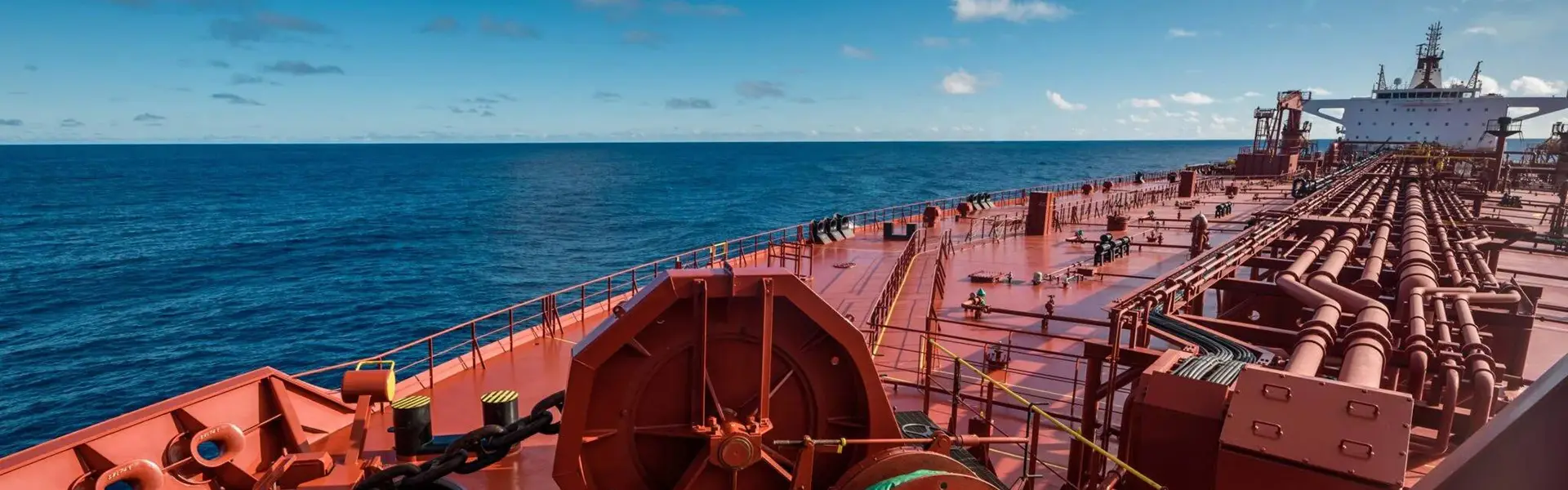
Exploring the Benefits and Features of U-ming 2800 m³ LNG Fuel Tanks for Maritime Applications
May 28,2025
The U-ming 2800 m³ LNG fuel tanks have become increasingly relevant in the maritime transportation sector, especially as the industry shifts towards cleaner energy sources. LNG, or liquefied natural gas, is recognized for its lower emissions compared to traditional marine fuels, making it an attractive option for ship operators aiming to comply with stricter environmental regulations.
One of the primary benefits of utilizing U-ming 2800 m³ LNG fuel tanks is their substantial capacity, which allows for extended voyages without the need for frequent refueling. This capacity is particularly advantageous for long-haul ships, as it not only enhances operational efficiency but also reduces the frequency of port calls, leading to lower overall operational costs. The design of these tanks ensures optimal space utilization within the vessel, contributing to better weight distribution and stability.
Another vital feature of the U-ming 2800 m³ LNG fuel tanks is their robust construction. Built to withstand the harsh marine environment, these tanks are engineered with advanced materials that provide excellent thermal insulation and reduce the risk of boil-off gas (BOG). This durability ensures safety and reliability during operations, which are critical aspects for any maritime venture.
Moreover, the use of LNG fuel tanks aligns with the global push for sustainable shipping practices. By adopting LNG as a primary fuel source, shipping companies can significantly diminish their carbon footprint and reduce harmful emissions such as sulfur oxides (SOx) and nitrogen oxides (NOx). This transition is not only beneficial for the environment but also positions companies favorably in a market increasingly focused on sustainability.
Furthermore, the U-ming 2800 m³ LNG fuel tanks are designed for ease of maintenance and operation. Their user-friendly interface allows crew members to monitor LNG levels, pressure, and temperature efficiently. This ease of use is essential for maintaining operational safety and ensuring that the vessel remains compliant with international safety standards.
In conclusion, the U-ming 2800 m³ LNG fuel tanks represent a significant advancement in the maritime sector, offering extensive capacity, durability, and environmental benefits. As the shipping industry continues to evolve towards greener solutions, these tanks play a crucial role in facilitating that transition while enhancing operational efficiency. By considering the implementation of LNG fuel tanks, maritime operators can contribute to a more sustainable future while optimizing their operational capabilities.
One of the primary benefits of utilizing U-ming 2800 m³ LNG fuel tanks is their substantial capacity, which allows for extended voyages without the need for frequent refueling. This capacity is particularly advantageous for long-haul ships, as it not only enhances operational efficiency but also reduces the frequency of port calls, leading to lower overall operational costs. The design of these tanks ensures optimal space utilization within the vessel, contributing to better weight distribution and stability.
Another vital feature of the U-ming 2800 m³ LNG fuel tanks is their robust construction. Built to withstand the harsh marine environment, these tanks are engineered with advanced materials that provide excellent thermal insulation and reduce the risk of boil-off gas (BOG). This durability ensures safety and reliability during operations, which are critical aspects for any maritime venture.
Moreover, the use of LNG fuel tanks aligns with the global push for sustainable shipping practices. By adopting LNG as a primary fuel source, shipping companies can significantly diminish their carbon footprint and reduce harmful emissions such as sulfur oxides (SOx) and nitrogen oxides (NOx). This transition is not only beneficial for the environment but also positions companies favorably in a market increasingly focused on sustainability.
Furthermore, the U-ming 2800 m³ LNG fuel tanks are designed for ease of maintenance and operation. Their user-friendly interface allows crew members to monitor LNG levels, pressure, and temperature efficiently. This ease of use is essential for maintaining operational safety and ensuring that the vessel remains compliant with international safety standards.
In conclusion, the U-ming 2800 m³ LNG fuel tanks represent a significant advancement in the maritime sector, offering extensive capacity, durability, and environmental benefits. As the shipping industry continues to evolve towards greener solutions, these tanks play a crucial role in facilitating that transition while enhancing operational efficiency. By considering the implementation of LNG fuel tanks, maritime operators can contribute to a more sustainable future while optimizing their operational capabilities.



GREEN MARINE SOLUTION CO., LTD

488 Xinliu Road, Liuqiao Town, Nantong City, Jiangsu Province, China
Business License