
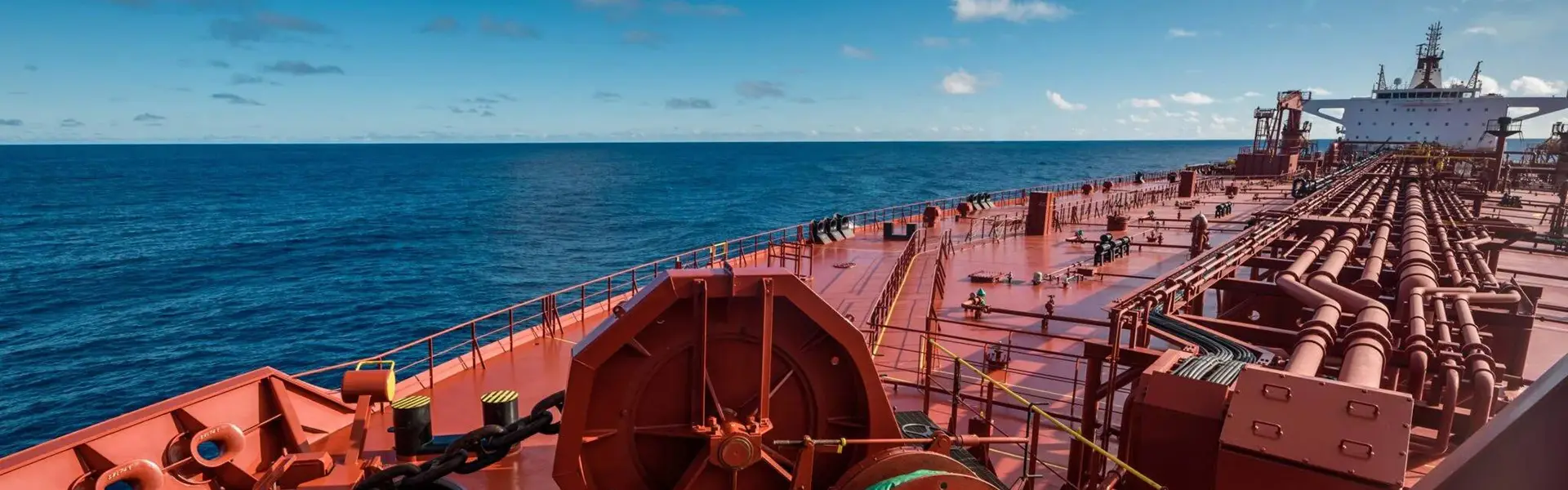
How Marine LNG Pipeline Insulation Enhances Energy Efficiency
May 23,2025
How Marine LNG Pipeline Insulation Enhances Energy Efficiency
Table of Contents
1. Introduction to Marine LNG Pipeline Insulation
2. The Importance of Energy Efficiency in Marine Operations
3. Understanding LNG and Its Unique Properties
4. Types of Insulation Materials Used in Marine LNG Pipelines
4.1. Polyurethane Foam
4.2. Glass Wool
4.3. Aerogel Insulation
5. The Role of Insulation in Energy Conservation
6. The Impact of Effective Insulation on Operational Costs
7. Innovations in Marine LNG Insulation
8. Conclusion
9. Frequently Asked Questions (FAQs)
1. Introduction to Marine LNG Pipeline Insulation
Marine Liquefied Natural Gas (LNG) transportation has become a cornerstone of the global energy market. Efficient insulation of LNG pipelines is crucial in maintaining the integrity and efficiency of these transportation systems. The primary purpose of insulation in marine LNG pipelines is to minimize energy loss during transportation, which directly impacts operational efficiency and environmental sustainability.
2. The Importance of Energy Efficiency in Marine Operations
Energy efficiency is a critical factor in marine operations, particularly within the LNG sector. As companies strive to reduce greenhouse gas emissions and comply with stringent environmental regulations, optimizing energy use has never been more essential. Enhanced energy efficiency not only lowers operational costs but also plays a vital role in mitigating environmental impacts. By improving insulation in LNG pipelines, shipping companies can achieve significant energy savings, thereby enhancing their overall sustainability.
3. Understanding LNG and Its Unique Properties
LNG is natural gas that has been cooled to a liquid state at about -162°C (-260°F). This process reduces its volume to approximately 1/600th of its gaseous state, allowing for easier storage and transportation. However, this low temperature presents unique challenges, especially regarding thermal management. Effective insulation is necessary to prevent heat transfer, which can cause LNG to evaporate and convert back to gas, resulting in energy loss and potential safety hazards.
4. Types of Insulation Materials Used in Marine LNG Pipelines
The selection of appropriate insulation materials is critical for ensuring the efficiency of LNG pipelines. Various types of insulation materials exhibit unique properties and advantages.
4.1. Polyurethane Foam
Polyurethane foam is one of the most widely used insulation materials in LNG applications. Its closed-cell structure provides excellent thermal insulation properties, minimizing heat transfer effectively. Additionally, polyurethane foam has lightweight characteristics, which is beneficial for marine applications where weight considerations are crucial.
4.2. Glass Wool
Glass wool consists of fine glass fibers and is highly effective at soundproofing and thermal insulation. It is non-combustible, making it a safe choice for marine applications. However, while glass wool is effective, it may not provide the same level of thermal efficiency as polyurethane foam.
4.3. Aerogel Insulation
Aerogel is often referred to as "frozen smoke" due to its lightweight and low-density nature. It offers exceptional thermal insulation properties, outpacing traditional insulation materials. Although aerogel is more expensive, its superior performance makes it a compelling choice for high-efficiency marine LNG pipelines.
5. The Role of Insulation in Energy Conservation
Insulation plays a pivotal role in conserving energy within marine LNG systems. By reducing heat transfer, insulation ensures that LNG remains in its liquid state throughout transportation. This not only preserves the energy contained within the LNG but also enhances the safety of the operations. Effective insulation minimizes the risk of boil-off gas (BOG), which can lead to energy waste and safety concerns.
6. The Impact of Effective Insulation on Operational Costs
Optimizing insulation in marine LNG pipelines can lead to significant cost savings. Reduced energy loss directly correlates with lower fuel consumption and operational expenses. Moreover, effective insulation can extend the lifespan of equipment by minimizing thermal stress, further contributing to cost efficiency. Companies investing in high-quality insulation materials often find that the initial costs are offset by long-term savings and operational efficiencies.
7. Innovations in Marine LNG Insulation
The field of marine LNG insulation is rapidly evolving, with continuous innovations aimed at enhancing efficiency and safety. Recent developments include advanced composite materials and smart insulation systems that monitor temperature and performance in real-time. These innovations provide operators with valuable data, enabling them to make informed decisions regarding maintenance and operational adjustments.
8. Conclusion
Marine LNG pipeline insulation is fundamental to enhancing energy efficiency in the maritime industry. By selecting the right insulation materials and implementing innovative technologies, companies can significantly reduce energy loss, lower operational costs, and contribute to environmental sustainability. As the industry moves towards a more energy-efficient future, investing in advanced insulation solutions will be vital for maintaining competitiveness and compliance with evolving regulations.
9. Frequently Asked Questions (FAQs)
1. What is LNG insulation and why is it important?
LNG insulation is designed to minimize heat transfer in pipelines transporting liquefied natural gas, keeping it in a liquid state and preventing energy loss.
2. How does effective insulation improve the efficiency of marine operations?
Effective insulation reduces energy loss during transportation, leading to lower fuel consumption and operational costs, while also minimizing greenhouse gas emissions.
3. What are the best insulation materials for marine LNG pipelines?
Some of the best insulation materials for marine LNG pipelines include polyurethane foam, glass wool, and aerogel due to their thermal efficiency and safety properties.
4. What innovations are currently shaping LNG pipeline insulation?
Innovations such as advanced composite materials and smart insulation systems are enhancing the performance and monitoring capabilities of LNG pipeline insulation.
5. How can I choose the best insulation for my LNG operations?
Selecting the best insulation involves considering factors such as thermal efficiency, weight, cost, and specific application needs. Consulting with insulation specialists is advisable to make informed decisions.



GREEN MARINE SOLUTION CO., LTD

488 Xinliu Road, Liuqiao Town, Nantong City, Jiangsu Province, China
Business License