
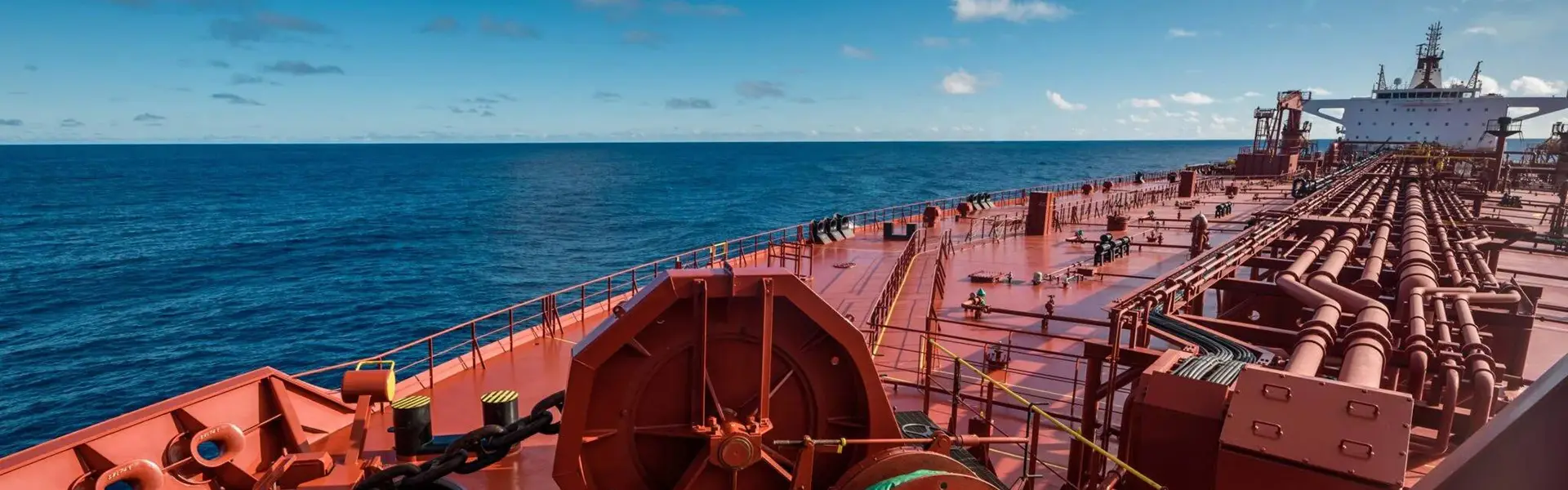
Essential Considerations for Marine LNG Pipeline Insulation: A Comprehensive Guide
May 17,2025
Essential Considerations for Marine LNG Pipeline Insulation
When dealing with the unique challenges of marine environments, the insulation of LNG pipelines becomes paramount. With the exponential growth of the liquefied natural gas (LNG) industry, understanding the essential considerations for marine LNG pipeline insulation has never been more critical. This comprehensive guide covers various factors, from material selection to installation techniques, ensuring that stakeholders make informed decisions.
Table of Contents
1. The Importance of Insulation in Marine LNG Pipelines
2. Types of Insulation Materials for LNG Pipelines
3. Best Practices for Insulation Installation
4. Safety Measures in LNG Pipeline Insulation
5. Performance Optimization of Insulated Pipelines
6. Environmental Considerations in Marine LNG Insulation
7. Maintaining Insulated LNG Pipelines
8. The Future of Marine LNG Pipeline Insulation
9. Frequently Asked Questions
The Importance of Insulation in Marine LNG Pipelines
Insulation plays a critical role in maintaining the integrity and efficiency of marine LNG pipelines. The primary purpose of insulation is to minimize heat transfer between the environment and the LNG, which helps maintain the LNG's low temperature. Efficient insulation not only conserves energy but also prevents vaporization losses, ultimately ensuring the safety and efficiency of LNG transport.
Moreover, insulation protects the pipeline from external environmental factors, such as seawater corrosion and mechanical damage. This protection extends the lifespan of the pipeline and reduces maintenance costs over time.
Energy Conservation and Economic Benefits
By effectively insulating marine LNG pipelines, companies can significantly reduce energy consumption, which translates into considerable cost savings. The reduction of boil-off gas (BOG) – vaporized LNG that occurs when heat transfers into the pipeline – helps in conserving the LNG and avoiding unnecessary financial losses. Thus, investing in high-quality insulation materials can yield long-term economic benefits.
Types of Insulation Materials for LNG Pipelines
Choosing the right insulation material for marine LNG pipelines is crucial for performance and longevity. Various materials are available, each with distinct properties, advantages, and disadvantages.
Polyurethane Foam
Polyurethane foam is one of the most widely used insulation materials for LNG pipelines. It offers excellent thermal resistance, flexibility, and durability, making it suitable for marine environments. Its lightweight nature also eases installation processes.
Polyethylene Foam
Polyethylene foam is another popular choice, known for its closed-cell structure that prevents moisture penetration. This feature is particularly important in marine applications where exposure to water is inevitable. Additionally, it provides good insulation properties and is resistant to chemical degradation.
Mineral Wool
Mineral wool, also known as rock wool or stone wool, is an inorganic insulation material that demonstrates excellent fire resistance and thermal performance. Its ability to withstand high temperatures makes it suitable for applications where fire safety is paramount.
Comparison of Insulation Materials
| Insulation Material | Thermal Conductivity | Moisture Resistance | Fire Resistance | Cost Effectiveness |
|----------------------|----------------------|---------------------|------------------|--------------------|
| Polyurethane Foam | Low | Moderate | Moderate | High |
| Polyethylene Foam | Moderate | High | Low | Moderate |
| Mineral Wool | Moderate | Low | High | Moderate |
Best Practices for Insulation Installation
Proper installation of insulation materials is essential to ensure their effectiveness. Adhering to best practices not only enhances the insulation's performance but also prolongs the lifespan of the LNG pipelines.
Surface Preparation
Before installation, it is critical to thoroughly clean the surface of the pipeline. Any dirt, grease, or moisture can impede the adhesion of insulation materials, leading to reduced effectiveness.
Sealing Joints and Seams
To prevent heat transfer and moisture ingress, all joints and seams must be sealed adequately. This can be achieved using sealants or tapes specifically designed for the insulation material being used.
Regular Inspections
Conducting regular inspections during and after installation is essential. These inspections should check for any gaps, moisture ingress, or signs of damage that could compromise the insulation's effectiveness.
Safety Measures in LNG Pipeline Insulation
Safety is a top priority when dealing with LNG pipelines. Implementing rigorous safety measures during the insulation process is crucial in preventing accidents and ensuring the well-being of workers.
Personal Protective Equipment (PPE)
All personnel involved in the installation of LNG pipeline insulation should wear appropriate PPE, including gloves, helmets, and protective eyewear. This gear minimizes the risk of injury from sharp materials and hazardous substances.
Monitoring and Detection Systems
Installing monitoring and detection systems can help identify leaks or failures in the insulation. Early detection of issues allows for prompt responses, minimizing risks associated with LNG transport.
Performance Optimization of Insulated Pipelines
Once the insulation is installed, optimizing its performance is crucial for efficiency. This includes maintaining the insulation's integrity and ensuring the pipeline operates within safe temperature ranges.
Temperature Monitoring
Regular temperature monitoring helps in assessing the performance of the insulation. If the temperature exceeds expected levels, it may indicate insulation failure or external factors affecting the system.
Adjusting Operational Parameters
Adjusting operational parameters, such as pressure and flow rates, can enhance the performance of insulated LNG pipelines. Continuous evaluation of these parameters is essential for optimizing pipeline operations.
Environmental Considerations in Marine LNG Insulation
The environmental impact of marine LNG pipeline insulation should not be overlooked. Choosing materials and practices that align with sustainability goals contributes to reducing the overall environmental footprint.
Recyclable Insulation Materials
Opting for recyclable insulation materials can minimize waste and promote sustainability. Companies should consider the lifecycle of insulation materials, from production to disposal.
Minimizing Pollution During Installation
Implementing methods to minimize pollution during the installation process is crucial. This includes using eco-friendly adhesives and avoiding the release of harmful substances into the marine environment.
Maintaining Insulated LNG Pipelines
Ongoing maintenance is vital to ensure the effectiveness of insulation over time. Regular inspections and proactive maintenance strategies can help identify and rectify issues before they escalate.
Scheduled Inspections
Establishing a schedule for regular inspections allows for consistent monitoring of the pipeline and insulation condition. These inspections should focus on identifying signs of wear, moisture ingress, and any other potential issues.
Repairs and Upgrades
When issues are detected, timely repairs must be undertaken. Additionally, considering upgrades to newer insulation materials can enhance performance and extend the lifespan of the pipeline system.
The Future of Marine LNG Pipeline Insulation
The LNG industry continues to evolve, with advances in technology and materials paving the way for improved insulation solutions. Emerging trends in insulation technology include the development of advanced materials that offer superior thermal resistance and durability.
Smart Insulation Solutions
The integration of smart technologies into insulation systems allows for real-time monitoring and data collection. This technology can enhance operational efficiencies and ensure safety by providing instant feedback on pipeline performance.
Research and Development
Investing in research and development is crucial to advancing insulation technologies. Collaboration between industry stakeholders, researchers, and regulatory bodies can lead to innovative solutions that address the challenges of marine LNG pipeline insulation.
Frequently Asked Questions
1. What is the primary purpose of insulation in marine LNG pipelines?
The primary purpose of insulation in marine LNG pipelines is to minimize heat transfer, thereby maintaining the LNG at low temperatures and preventing vaporization losses.
2. What are the most commonly used insulation materials for LNG pipelines?
Commonly used insulation materials for LNG pipelines include polyurethane foam, polyethylene foam, and mineral wool, each offering different advantages.
3. How often should insulated LNG pipelines be inspected?
Insulated LNG pipelines should be inspected regularly, with a recommended schedule based on operational conditions, but typically at least once a year.
4. What safety measures should be taken during insulation installation?
Safety measures include using appropriate personal protective equipment (PPE), implementing monitoring and detection systems, and adhering to safety protocols.
5. How can environmental impacts be minimized during the insulation process?
Environmental impacts can be minimized by using recyclable insulation materials and employing eco-friendly practices during installation to prevent pollution.
Conclusion
Understanding the essential considerations for marine LNG pipeline insulation is critical for ensuring safe and efficient operations. From selecting the right materials to adhering to best practices in installation and maintenance, each aspect plays a vital role in the overall effectiveness of LNG transport. By focusing on quality insulation solutions and continuously optimizing performance, stakeholders can enhance the sustainability and safety of their marine LNG operations, paving the way for a more efficient future in the industry.



GREEN MARINE SOLUTION CO., LTD

488 Xinliu Road, Liuqiao Town, Nantong City, Jiangsu Province, China
Business License