
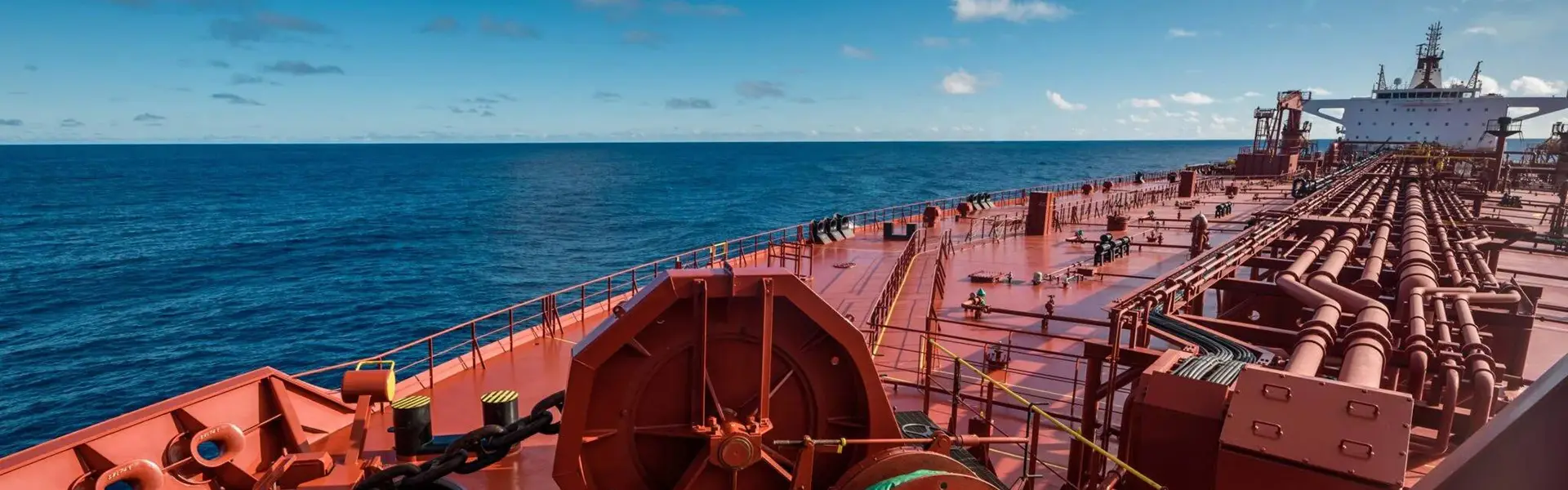
Enhancing Energy Efficiency with GMS Type A Tank Insulation Systems: Revolutionizing Maritime Operations
May 15,2025
Enhancing Energy Efficiency with GMS Type A Tank Insulation Systems
Table of Contents
- 1. Introduction to GMS Type A Tank Insulation Systems
- 2. The Importance of Energy Efficiency in Maritime Operations
- 3. Overview of GMS Type A Tank Insulation Systems
- 4. Key Features of GMS Type A Tank Insulation
- 5. Benefits of Using GMS Type A Tank Insulation Systems
- 6. Installation Process of GMS Type A Tank Insulation Systems
- 7. Maintenance of GMS Type A Tank Insulation
- 8. Case Studies: Real-world Applications of GMS Type A Tank Insulation
- 9. Frequently Asked Questions
- 10. Conclusion
1. Introduction to GMS Type A Tank Insulation Systems
In the maritime industry, energy efficiency is increasingly becoming a priority. As global regulations tighten and operational costs rise, ship owners and operators are searching for innovative solutions to optimize their vessels. One such solution is the GMS Type A Tank Insulation System. Designed specifically for maritime applications, these insulation systems offer unparalleled thermal performance, contributing to significant energy savings and enhanced operational efficiency.
2. The Importance of Energy Efficiency in Maritime Operations
The shipping industry is a major contributor to global greenhouse gas emissions. With increasing pressure to reduce carbon footprints and adhere to environmental regulations, the need for energy-efficient systems has never been more critical. By improving energy efficiency, maritime operations can:
2.1 Reduce Fuel Consumption
Every ton of fuel saved leads to considerable cost reductions. Efficient insulation systems minimize heat loss, allowing vessels to maintain optimal temperatures without excessive fuel use.
2.2 Comply with Environmental Regulations
International Maritime Organization (IMO) regulations mandate reduced emissions. Energy-efficient systems help shipping companies meet these standards while enhancing their sustainability efforts.
2.3 Enhance Operational Performance
Improved energy efficiency translates to longer voyages, reduced downtime, and better overall performance of the vessel.
3. Overview of GMS Type A Tank Insulation Systems
GMS Type A Tank Insulation Systems are engineered to provide superior thermal insulation for various tank types aboard vessels. These systems utilize advanced materials and technologies, ensuring optimal energy retention while being lightweight and durable.
3.1 Material Composition
The GMS Type A systems are constructed using high-quality materials that resist moisture, corrosion, and extreme temperatures. This ensures longevity and performance under harsh maritime conditions.
3.2 Design Specifications
Designed to fit a wide range of tank sizes and shapes, GMS Type A insulation systems can be customized to meet specific vessel requirements. This adaptability is crucial for modern shipping operations.
4. Key Features of GMS Type A Tank Insulation
The unique features of GMS Type A Tank Insulation Systems set them apart from conventional insulation methods.
4.1 High Thermal Resistance
These systems offer exceptional thermal resistance, which significantly reduces heat transfer, maintaining the desired temperature within the tanks, and minimizing energy loss.
4.2 Lightweight Design
Unlike traditional insulation materials, GMS Type A systems are lightweight, reducing the overall weight of the vessel and enhancing fuel efficiency.
4.3 Moisture Resistance
The materials used in GMS Type A systems are inherently moisture-resistant, preventing corrosion and degradation of the tanks.
4.4 Easy Installation and Customization
The modular design allows for quick installation and customization according to specific vessel requirements, reducing downtime during installation.
5. Benefits of Using GMS Type A Tank Insulation Systems
Adopting GMS Type A Tank Insulation Systems yields numerous benefits, making them an excellent investment for maritime operators.
5.1 Cost Savings
With reduced fuel consumption and lower maintenance costs, the initial investment in GMS Type A systems quickly pays off over time.
5.2 Environmental Impact
By lowering carbon emissions, these insulation systems contribute to more sustainable shipping practices.
5.3 Improved Safety
Enhanced insulation also helps maintain the integrity of the tank contents, reducing the risk of accidents related to temperature fluctuations.
6. Installation Process of GMS Type A Tank Insulation Systems
The installation of GMS Type A Tank Insulation Systems is straightforward, designed to minimize vessel downtime.
6.1 Preparation
Before installation, a thorough assessment of the tanks is conducted to ensure compatibility and determine the required insulation thickness.
6.2 Installation Steps
The installation process includes cleaning the tank surfaces, applying the insulation modules, and securing them in place with appropriate fasteners.
6.3 Final Inspection
Once installed, a final inspection ensures that all systems are correctly fitted and functioning as intended.
7. Maintenance of GMS Type A Tank Insulation
Regular maintenance of GMS Type A Tank Insulation Systems is essential to ensure long-lasting performance.
7.1 Routine Inspections
Conducting routine inspections helps identify any wear or damage that may occur over time. Early detection is key to preventing larger issues.
7.2 Cleaning Procedures
Keeping the insulation surfaces clean is vital for maintaining efficiency. A gentle cleaning agent and soft brushes are often recommended.
8. Case Studies: Real-world Applications of GMS Type A Tank Insulation
Numerous maritime operators have successfully implemented GMS Type A Tank Insulation Systems, showcasing their effectiveness in enhancing energy efficiency.
8.1 Case Study 1: Large Cargo Vessel
A leading cargo shipping company reported a 15% reduction in fuel costs after retrofitting their tanks with GMS Type A insulation.
8.2 Case Study 2: Oil Tanker
An oil tanker company noted improved temperature stability and a decrease in accidental spills, thanks to the enhanced insulation properties.
9. Frequently Asked Questions
9.1 What is the lifespan of GMS Type A Tank Insulation Systems?
The lifespan can exceed 15 years with proper maintenance, depending on environmental conditions.
9.2 Are GMS Type A systems suitable for all types of tanks?
Yes, they can be customized to fit various tank types and sizes.
9.3 How do GMS Type A systems compare with traditional insulation materials?
GMS Type A systems offer superior thermal performance, moisture resistance, and a lightweight design compared to conventional materials.
9.4 What are the environmental benefits of using GMS Type A Tank Insulation?
These systems help reduce fuel consumption and greenhouse gas emissions, contributing to more sustainable maritime practices.
9.5 Can GMS Type A systems be installed on existing vessels?
Absolutely, they can be retrofitted onto existing vessels without significant modifications.
10. Conclusion
In conclusion, GMS Type A Tank Insulation Systems represent a significant advancement in enhancing energy efficiency within the maritime industry. Their unique blend of superior thermal performance, lightweight design, and moisture resistance make them an indispensable asset for modern shipping operations. As the industry continues to face challenges related to environmental regulations and operational costs, investing in GMS Type A systems not only promotes sustainability but also leads to substantial cost savings. Transitioning to these advanced insulation solutions is a strategic move that can positively impact both your bottom line and the environment.
NEXT:



GREEN MARINE SOLUTION CO., LTD

488 Xinliu Road, Liuqiao Town, Nantong City, Jiangsu Province, China
Business License